How Long Do BMW Engines Last? A Used Buyer’s Reliability Guide
How Long Do BMW Engines Last? A Used Buyer’s Reliability Guide
Posted on May 30, 2026
A well-maintained BMW engine can often last between 200,000 km and 300,000 km or more, depending on the engine type, driving conditions, maintenance history, and repair quality. In years, many BMW models remain on the road for 15 to 20 years when oil service, cooling system maintenance, and inspections are handled consistently.
Poorly maintained BMW engines can develop costly mechanical problems much earlier, particularly when oil changes, cooling system repairs, warning lights, or fluid leaks are ignored.
Note: BMW Canada does not publish an official engine lifespan figure, but long-term ownership data and industry research show that many BMW models can remain on the road for high kilometre totals when maintained correctly.
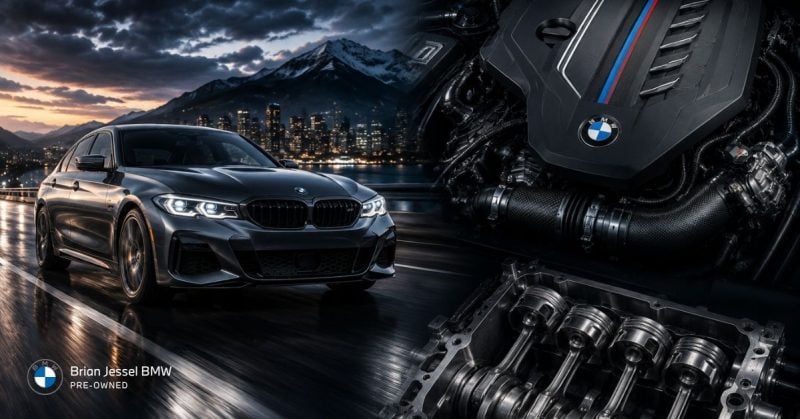
BMW Engine Life KM: What Mileage Is Too High?
Mileage matters when shopping for a used BMW, but maintenance history matters more. Buyers in Vancouver should focus on service records, inspection quality, recall history, and whether repairs were completed properly over time.
Note: The mileage ranges below are general used-buyer guidelines, not official BMW Canada mileage limits.
| Mileage Range | What It Usually Means |
| Under 100,000 KM | Lower-Risk Range if Service History Is Complete |
| 100,000–160,000 KM | Still Reasonable for Many BMW Models |
| 160,000–220,000 KM | Higher Mileage Range Where Inspections Become More Important |
| 220,000+ KM | Can Still Be Worth Considering with Strong Records and Proper Upkeep |
A BMW with higher kilometres and complete service records may be a safer purchase than a lower-kilometre vehicle with inconsistent maintenance.
How Many Kilometres Is Too Much for a BMW Engine?
There is no exact kilometre figure where every BMW engine becomes unreliable. As mileage increases, buyers should pay closer attention to cooling system condition, turbocharger health on turbocharged models, oil leaks, suspension wear, transmission servicing, warning lights, and recall status.
Timing chain history is also important on certain BMW engines and model years. A high-kilometre BMW can still make sense when the purchase price reflects condition and the vehicle has been maintained consistently.
Is a High-Mileage BMW Still a Good Buy?
A high-mileage BMW can still provide value if the vehicle has complete service records, clean inspection results, and no major unresolved issues.
Before buying, it is important to request maintenance invoices, repair history, recall information, lien status, and a vehicle history report.
ICBC also recommends arranging a professional mechanic inspection before purchasing a used vehicle in British Columbia.
What Affects BMW Engine Lifespan the Most?
BMW engine lifespan depends on maintenance quality, driving habits, climate, engine design, and whether repairs are completed before small problems become larger ones.
Maintenance History and Service Quality
Maintenance is one of the strongest indicators of long-term BMW engine health. Oil service, cooling system maintenance, brake fluid service, spark plug replacement, and timely repairs all play important roles in reliability.
BMW Canada states that eligible new internal-combustion and plug-in hybrid BMW vehicles from model years 2022–2026 include No-Charge Scheduled Maintenance coverage for 3 years or 60,000 km, whichever comes first.
Skipping oil changes, delaying fluid service, or ignoring leaks can increase repair risk as a BMW ages.
Driving Habits and Conditions
Driving style affects engine wear over time. Frequent short trips, repeated cold starts, stop-and-go traffic, and aggressive acceleration can place additional stress on the engine, turbochargers, transmission, and suspension systems.
Highway driving is generally easier on an engine because the vehicle reaches stable operating temperature for longer periods.
Engine Type and Model Differences
Not all BMW engines age the same way. Older naturally aspirated engines are mechanically simpler than many modern turbocharged engines, while newer turbocharged BMW engines include additional components that may eventually require service.
BMW Canada currently lists models such as the M340i xDrive with a BMW TwinPower Turbo inline 6-cylinder engine.
Build Quality and Engineering of BMW Engines
BMW engines are designed for smooth power delivery, refined driving behaviour, and strong highway performance. Compared with many mainstream vehicles, BMW models often include advanced electronics, turbocharging systems, and tighter engineering tolerances.
This engineering can support long engine life when maintenance is consistent, but repair costs may increase if problems are ignored.
Mileage and Usage Patterns
How kilometres accumulate matters as much as the number itself. A BMW used mainly for longer highway drives with regular maintenance may age differently than a lower-kilometre vehicle used mostly for short urban trips.
Buyers should also consider previous ownership history, accident history, winter driving exposure, and overall maintenance consistency.
Oil Changes and Fluids
Engine oil, coolant, brake fluid, transmission fluid where applicable, differential fluid, and transfer case fluid on xDrive models all affect long-term durability. BMW Canada’s service materials identify engine oil service, brake fluid service, and vehicle checks as part of scheduled maintenance coverage for eligible vehicles.
Climate: Cold Weather Like Canada
Canadian weather conditions can affect engine and vehicle wear. Vancouver drivers regularly deal with rain, traffic-heavy commuting, and seasonal cold starts. In colder parts of Canada, low winter temperatures can place additional strain on batteries, hoses, seals, and oil circulation during startup.
How Long Do BMW Models Last Compared to Other Brands?
BMW, Toyota, Honda, Mercedes-Benz, and Audi have different ownership profiles. Toyota and Honda are commonly associated with simpler ownership and lower repair costs, while BMW, Mercedes-Benz, and Audi are luxury brands with more advanced systems and generally higher maintenance expectations.
BMW Canada’s official pages focus on warranty coverage, maintenance, service programmes, performance, and vehicle technology rather than publishing direct lifespan comparisons with competing brands.
For used buyers, service history and inspection results are usually more important than brand reputation alone.
Most Reliable BMW Engines and Models (For Long Lifespan)
Some BMW engines and models are commonly discussed among owners and BMW specialists because they appear across many BMW vehicles and are frequently mentioned in long-term ownership conversations.
BMW N52 Inline-Six Engine
The BMW N52 inline-six engine is commonly discussed among used BMW buyers because it is naturally aspirated and mechanically simpler than many later turbocharged engines. Many long-term owners also appreciate its smoother power delivery and reduced turbo-related maintenance concerns over time.
This engine appeared in older BMW 3 Series, 5 Series, X3, X5, and Z4 models that remain common in the Canadian used market. Parts availability and familiarity among independent BMW technicians also help support long-term ownership across Canada.
BMW B48 Turbocharged Four-Cylinder Engine
The BMW B48 turbocharged four-cylinder engine is widely used across newer BMW models and appears in vehicles such as the BMW 330i, X1, X3 xDrive30i, and BMW 530i. It is commonly associated with balanced fuel economy, everyday drivability, and broad availability throughout the Canadian BMW lineup.
Many used BMW buyers also consider the B48 appealing because it is used across several popular BMW sedans and SUVs, making maintenance familiarity, parts availability, and servicing support easier to find throughout Canada.
BMW B58 Turbocharged Inline-Six Engine
The BMW B58 turbocharged inline-six engine is used in vehicles such as the BMW M340i, X3 M40i, 540i, and X5 xDrive40i. This engine is commonly associated with its combination of smooth acceleration, strong highway performance, and refined driving characteristics.
BMW Canada lists the M340i xDrive with a BMW TwinPower Turbo inline 6-cylinder engine producing 386 horsepower and 398 lb-ft of torque. This engine configuration is also used across several higher-performance BMW models sold in Canada.
Reliable BMW Models for Used Buyers
Among used buyers, the BMW 3 Series, 5 Series, X3, X5, and X1 are commonly considered for long-term ownership because parts availability and servicing familiarity are generally stronger across Canada.
These models also tend to have larger owner communities, making maintenance information and independent servicing support easier to find.
Keep Reading: Most Reliable Used BMW Engines & Models
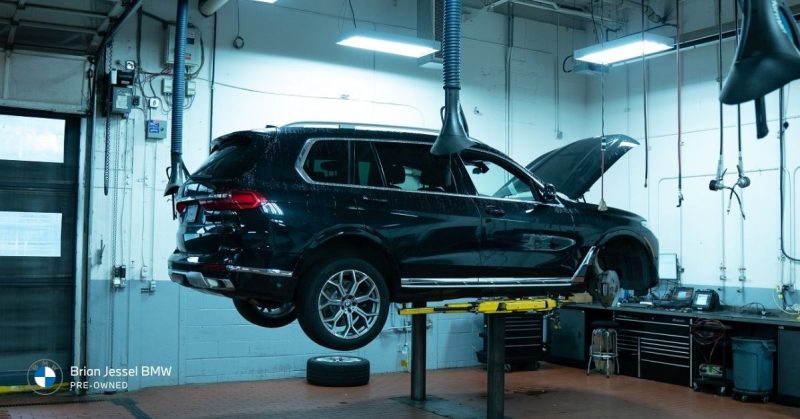
Common BMW Engine Problems That Affect Lifespan
BMW engines can last a long time, but buyers should still understand common issues before purchasing a used vehicle.
Oil Leaks in Older BMW Engines
Oil leaks commonly develop as BMW vehicles accumulate higher mileage. Valve cover gaskets, oil filter housing gaskets, and oil pan gaskets are among the most frequent leak points. Small leaks should be repaired early before they spread to nearby components or create larger repair costs later.
Cooling System Problems and Overheating Risks
Cooling system problems are one of the most important concerns for long-term BMW ownership. Water pump failure, thermostat issues, coolant hose deterioration, and expansion tank leaks can all lead to overheating if ignored.
Overheating can shorten engine life quickly and may lead to severe engine damage in serious cases.
Timing Chain Issues on Certain BMW Engines
Some BMW engines and production years have experienced timing chain concerns. Buyers should research the specific engine code and model year before purchasing a used BMW. Unusual rattling sounds during startup or rough engine operation may indicate timing-related problems requiring immediate attention.
Carbon Buildup on Direct-Injection Engines
Many direct-injection BMW engines can develop carbon buildup over time. This buildup may reduce performance and create drivability problems if maintenance is delayed too long. Common symptoms include rough idle, weaker acceleration, reduced fuel economy, and occasional engine misfires.
Turbocharger Wear on Higher-Mileage Models
Turbocharged BMW models may eventually require turbo-related repairs as mileage increases. Wear can become more likely when oil changes are delayed or the engine is driven aggressively while cold.
Common warning signs include smoke from the exhaust, whining noises, increased oil consumption, and noticeable loss of acceleration.
How to Make a BMW Engine Last Longer
Long-term BMW ownership usually comes down to preventative maintenance and consistent servicing habits. Owners who stay ahead of repairs often avoid larger repair bills later.
Maintenance Checklist
Regular maintenance remains one of the most important parts of extending BMW engine life and long-term reliability.
- Change oil on time
- Use BMW-approved fluids
- Repair coolant leaks quickly
- Replace spark plugs when required
- Inspect belts and hoses regularly
- Keep service records organized
- Check recalls by VIN
- Follow scheduled inspections
Driving Tips
Driving habits can strongly affect long-term engine wear, especially on turbocharged BMW engines driven in urban traffic.
- Avoid aggressive acceleration before the engine warms up
- Reduce repeated short trips when possible
- Maintain proper tire pressure
- Avoid ignoring temperature warnings
- Allow turbocharged engines time to cool after hard driving
Before buying a used BMW, it is also important to request service records, review vehicle history reports, inspect for leaks, and arrange a professional pre-purchase inspection.
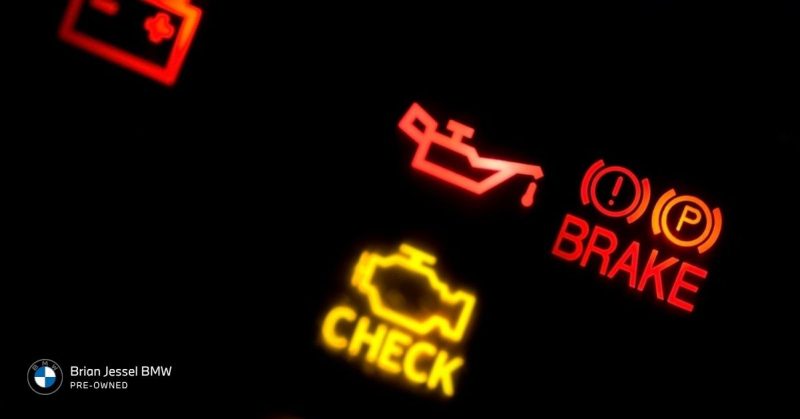
Signs a BMW Engine May Not Last Much Longer
High-mileage BMW engines often show warning signs before major failure occurs. Buyers who recognize these symptoms early may avoid expensive repairs.
Engine Noise and Timing-Related Sounds
Knocking, rattling, ticking, or timing chain noise can indicate internal wear, lubrication problems, or timing system issues requiring immediate inspection. Persistent startup noise should never be ignored on a used BMW vehicle.
Excessive Oil Consumption Between Services
Excessive oil use may point to turbocharger wear, valve seal wear, piston ring wear, or PCV system problems affecting long-term engine reliability. Drivers who frequently add oil between scheduled services should arrange a professional inspection.
Warning Lights and Drivetrain Messages
Check engine lights, oil pressure warnings, coolant temperature warnings, and drivetrain malfunction messages should never be ignored on a used BMW. Even minor warning lights can sometimes indicate larger underlying problems.
Poor Performance and Reduced Acceleration
Rough idle, hesitation, smoke, overheating, or reduced acceleration can indicate deeper engine, cooling system, ignition, or fuel-system problems requiring further diagnosis. These symptoms may become more common as higher-mileage BMW engines age.
Is Buying a Used BMW Worth It for Longevity?
A used BMW can provide long-term value for buyers who understand the ownership costs involved. BMW models include premium parts, advanced systems, and specialized service requirements, so buyers should budget carefully for maintenance and repairs over time.
However, many buyers still choose BMW because of the driving feel, interior quality, highway comfort, and performance characteristics.
Buyers expecting low-cost ownership similar to a Toyota or Honda may find BMW maintenance more demanding over time.
How Long Do BMW Models Last Overall?
Many BMW models remain on the road for high kilometre totals when maintained correctly. Vehicle lifespan depends on engine condition, transmission health, suspension wear, rust prevention, cooling system condition, electronic systems, and overall maintenance history.
BMW Canada’s official warranty coverage includes:
- New Vehicle Limited Warranty: 4 years or 80,000 km
- Rust Perforation Warranty: 12 years / unlimited kilometres
- Specific emission-control components coverage up to 8 years or 130,000 km on eligible components

Where to Buy a Reliable Used BMW in Vancouver
For Vancouver-area shoppers, Brian Jessel Pre-Owned and Brian Jessel BMW offer access to used BMW sedans, SUVs, and BMW Certified Pre-Owned inventory.
Before purchasing a used BMW, buyers should ask about inspection reports, service records, recall status, brake and tire condition, warranty coverage, previous ownership history, and upcoming maintenance needs.
BMW Certified Pre-Owned vehicles may include the balance of the New Vehicle Limited Warranty or a BMW-backed limited powertrain warranty depending on eligibility and vehicle age.
Browse the available inventory, contact the team, or visit Brian Jessel BMW and Brian Jessel Pre-Owned to compare used BMW models in Vancouver.
Final Verdict: What Is the Lifespan of a BMW Engine?
A BMW engine can remain reliable for high kilometre totals when maintenance is performed consistently and problems are addressed early. Oil changes, cooling system care, inspection history, driving habits, and repair timing all affect long-term durability.
For used BMW buyers in Vancouver, the safest approach is to focus on service history, inspection quality, engine type, ownership history, warning lights, recalls, and total vehicle condition.
A well-maintained used BMW can still provide many years of reliable driving, but buyers should budget realistically and avoid vehicles with signs of deferred maintenance.
FAQs
1. What is the lifespan of a BMW engine in km?
Many well-maintained BMW engines can exceed 200,000 km and sometimes reach 300,000 km or more depending on maintenance quality, driving habits, and engine type. For used buyers, the most useful indicators are service history, inspection results, recall status, oil service records, cooling system condition, and overall vehicle condition.
2. Can a BMW last 300,000 km?
Yes. Some BMW vehicles can exceed 300,000 km when maintenance is performed consistently and major issues are addressed early.
3. How long do BMW models last overall?
BMW Canada does not publish an official total-vehicle lifespan figure. Official Canadian coverage includes a New Vehicle Limited Warranty of 4 years or 80,000 km and a Rust Perforation Warranty of 12 years / unlimited kilometres.
4. What shortens the lifespan of a BMW engine?
Skipped maintenance, overheating, coolant leaks, ignored warning lights, unresolved oil leaks, aggressive driving, and delayed repairs can shorten engine life.
5. Are BMW engines reliable long-term?
BMW engines can remain reliable long-term when service is kept current and problems are addressed early. Maintenance quality, driving conditions, and inspection history matter more than mileage alone.
6. Is it expensive to maintain a BMW engine?
BMW models use premium parts, advanced systems, and specialized service requirements, so buyers should budget carefully for maintenance and repairs.
7. Which BMW lasts the longest?
Used buyers often research models such as the 3 Series, 5 Series, X3, X5, and X1, but the best indicator is the condition and maintenance history of the individual vehicle.
Explore More: Used BMW 2023 in vancouver, Used BMW 2024 in vancouver, Used BMW 2025 in vancouver, Used BMW SUVs, BMW Used Sedan, Used SUVs for Sale