Essential Winter Car Tips to Keep Your Vehicle Running Smoothly in Cold Weather
Essential Winter Car Tips to Keep Your Vehicle Running Smoothly in Cold Weather
Posted on February 18, 2026
As the winter season sets in, it's important to make sure your vehicle is properly prepared for the harsh conditions that come with it. Cold temperatures, snow, ice, and frozen parts can cause significant damage to a car if it isn’t adequately winterized.
Whether you're heading out for a winter road trip, navigating icy city streets, or simply preparing for the chilly months, knowing the right steps to take can help keep your vehicle running smoothly and help you stay safe on the road.
This article covers the essential winter car tips to help maintain your vehicle’s performance, reduce the risk of breakdowns, and ensure safe driving throughout the colder months.
Why Winter Car Care Matters
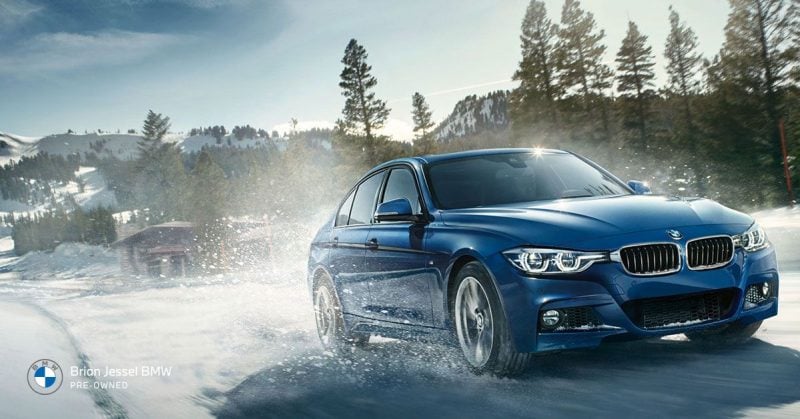
As temperatures drop, Canadian winters bring specific challenges for vehicle owners. Cold weather can severely affect the performance of your car, leading to potential breakdowns, safety hazards, and expensive repairs.
These challenges are especially pronounced in Vancouver and other colder regions, where sub-zero temperatures and icy roads can lead to increased risk of accidents, poor visibility, and frozen parts.
Proper cold weather vehicle maintenance is essential to prevent these issues and ensure your vehicle remains reliable throughout the season.
Complete Winter Car Maintenance Checklist
Preparing your car for winter involves more than just installing winter tires. There are several components to check to make sure your vehicle runs smoothly in the colder months.
Battery Health and Testing
Cold weather can reduce the voltage and performance of your car battery. A weak battery is more likely to fail when you need it most. To avoid this, proactively test your battery before winter hits, especially if it’s over three years old. Pay attention to warning signs such as slow starts, dim headlights, or electrical issues, and have your battery tested or replaced if needed.
Importance of Winter Tires
Winter tires are essential for improved grip and safety on cold, snowy, or icy roads. Unlike all-season tires, winter tires are designed with a rubber compound that remains flexible in low temperatures, providing better traction.
In Quebec, winter tires are legally required during the winter season, and across Canada they are strongly recommended once temperatures consistently drop, as all-season tires lose effectiveness in cold weather.
Tire Pressure Monitoring in Winter
Cold weather causes tire pressure to drop, which can affect safety and fuel efficiency. To ensure your tires are properly inflated, use a digital tire pressure gauge to check tire pressure regularly.
BMW vehicles come equipped with a Tire Pressure Monitoring System (TPMS) that alerts drivers to low pressure, but it’s still important to check manually, especially during extreme cold.
Heating and Defrosting System Check
Your car’s heating system is vital for both comfort and visibility. Before winter, ensure that your heater and defroster are working properly. Proper heating helps maintain a comfortable driving environment, while a fully functional defroster ensures clear visibility by preventing fogging on the windshield. If you notice that your defroster isn’t working well, get it checked before the temperatures plummet.
Winter Windshield Washer Fluid and Wipers
During winter, it's crucial to use windshield washer fluid rated for low temperatures to avoid freezing. Additionally, replace worn wiper blades with winter-specific ones that are designed to resist freezing and efficiently clear away snow and ice. Visibility is key to safe driving, and using the right fluid and wipers helps maintain clear windows, even in snow, ice, and sub-zero temperatures.
How to Winterize Your Car: Fluids, Filters, and More
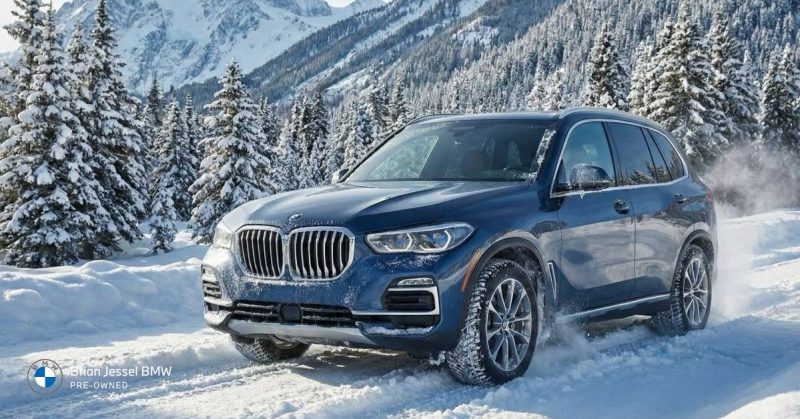
In addition to visual checks and tire maintenance, there are other important areas of your vehicle to address for winter readiness.
Coolant and Antifreeze Ratios
Make sure your car’s coolant system is in top shape by checking the antifreeze ratio. The correct mix of antifreeze and water helps prevent the engine from freezing. Failing to maintain proper dilution can lead to engine damage, which can be costly to repair.
Engine Oil Viscosity for Cold Starts
Cold temperatures can make engine oil thicker, reducing its ability to flow and lubricate the engine properly. Choose multi-grade oils that are designed for cold weather starts. Consult your BMW owner’s manual for the recommended oil type, and ensure your vehicle is using the right viscosity to protect the engine in winter.
Brake Inspection
Brakes are critical in winter conditions, as slippery roads can increase stopping distances. Have your brake system inspected, including the pads and rotors, to ensure they are in good condition. Any issues should be addressed promptly to avoid reduced braking performance during winter driving.
Must-Have Items in a Winter Emergency Kit
Even with proper maintenance, it’s important to be prepared for emergencies. A winter emergency kit can significantly improve safety during delays if you get stuck in a snowstorm or face other winter-related issues. Essential items for your kit include:
- Blanket and snacks
- Flashlight and portable charger
- Traction aids (sand or kitty litter)
- Shovel
- Extra fluids
- First-aid kit
Store liquids in sealed containers, keep electronics insulated from extreme cold, and check kit contents at least once per season to ensure nothing has frozen or expired.
Bonus Winter Driving Tips for Safety
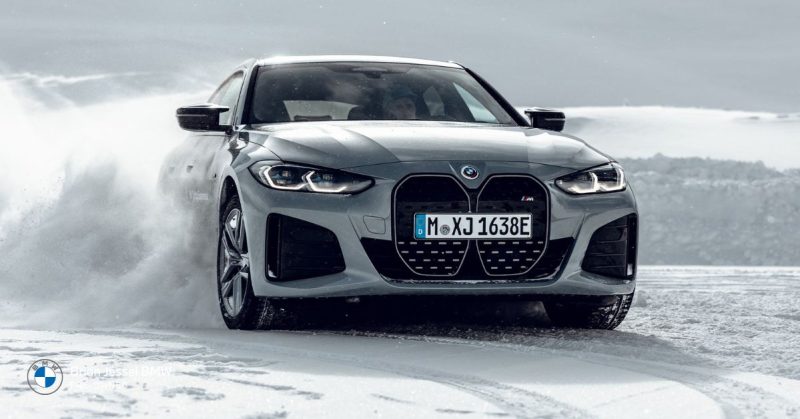
Driving in winter conditions requires extra caution. Here are some essential winter driving safety tips to ensure your safety:
- Gradual Acceleration and Braking: Sudden movements can cause loss of traction, leading to accidents. Gradually accelerate and brake to maintain control of your vehicle.
- Safe Following Distance: Increase your following distance in winter, as it takes longer to stop on icy roads.
- Defogging Techniques: Use the air conditioning to help clear fog from the windshield and maintain visibility.
- Engine Warm-Up: Contrary to popular belief, modern vehicles don’t need to idle for long periods. Start your car, let it run for 30 seconds, and then begin driving gently to warm up the engine. 2
Trust the Experts: Visit Brian Jessel Pre-Owned BMW Service in Vancouver
At Brian Jessel Pre-Owned BMW in Vancouver, we offer expert services to help winterize your car. Our certified technicians provide a range of services, including battery checks, tire installations, fluid changes, and full winter inspections to ensure your car performs at its best during the cold months.
Don’t wait for the snow to hit, schedule your winter service appointment and get the peace of mind knowing your BMW is ready for anything the season brings. Whether you need a quick check-up or a comprehensive inspection, our local expertise is here to help you stay safe and prepared for winter driving.
Reach out for an inspection or consultation, and trust our team to handle all your winter prep needs.
FAQs
How often should I check my tire pressure in winter?
Check tire pressure monthly, as cold weather causes it to drop. Regular checks help ensure safety and optimal tire performance.
Can I use all-season tires in the snow?
While all-season tires can handle light snow, winter tires offer better traction and safety in severe cold and icy conditions.
Is engine warm-up necessary before driving in the cold?
Modern cars don’t need extended warm-up periods. Start your car, let it run for 30 seconds, and then drive gently to warm the engine.
What’s the best emergency car kit for winter?
A good winter emergency kit includes a blanket, snacks, flashlight, traction aids, a shovel, extra fluids, and a first-aid kit.
How do I protect my car from rust in winter?
Get an underbody oil spray to protect your vehicle from salt damage and regularly wash the undercarriage to remove road salt buildup.