Choosing Your First BMW: Which Series Fits You Best?
Choosing Your First BMW: Which Series Fits You Best?
Posted on December 16, 2025
For many first-time buyers, a BMW represents both a milestone and a meaningful step into the driving world. The brand is known for refined comfort, improved dependability, and an upscale driving experience that appeals to new drivers and young professionals looking for something reliable yet distinctive.
It carries a reputation that feels mature without being out of reach. What follows is a clear, approachable exploration of each Series, written without specs or engineering terms, so readers can focus on what truly matters.
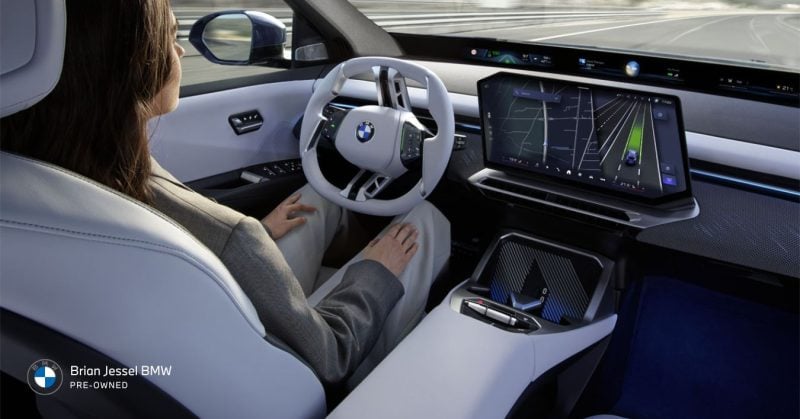
BMW for First-Time Buyers: What to Consider
New BMW drivers tend to focus on several key points. Cost of ownership is often at the top of the list. This includes routine maintenance, fuel, insurance, and long-term upkeep. Comfort and ease of use are also important. Many first-time drivers want good visibility, simple controls, and predictable handling.
Safety features are another priority. While BMW has a strong safety reputation, each model offers different levels of assistance systems and crash protection. Finally, resale value matters. Some BMW models retain value better because they appeal to a wide range of buyers.
BMW positions its entry-level models to be approachable without removing the premium feel that the brand is known for. These vehicles are designed for daily use, highway travel, and city driving while still offering a sense of refinement.
➤ Important: The 5 Series and 7 Series are not covered here because they are generally not realistic first-car options. They are larger, more expensive to maintain and insure, and aimed at experienced luxury buyers. The 1 Series is also excluded, as it is no longer sold new in Canada and is only an occasional find on the pre-owned market. This guide focuses on the compact, beginner-friendly BMW models most first-time buyers actually consider.
Entry-Level BMW Models Explained: A Quick Overview
For the Canadian market, first-time buyers usually look at three BMW options:
BMW X1: A compact SUV with strong everyday usability, giving drivers a practical mix of space and comfort while still feeling nimble in city settings.
BMW 2 Series: A smaller car available in coupe-style choices that feel youthful, sporty, and energetic, ideal for those who want a more expressive first step into BMW ownership.
BMW 3 Series: A long-running favourite that often serves as a buyer’s introduction to BMW sedans, offering a balanced blend of refinement, confidence, and daily drivability.
BMW uses numbers to separate its model groups. Smaller numbers generally reflect more compact vehicles with simpler ownership expectations, making them appealing to new drivers. As the numbers rise, the models typically increase in space, comfort, and overall luxury, guiding buyers through a clear progression that helps them understand where each Series fits in the lineup.
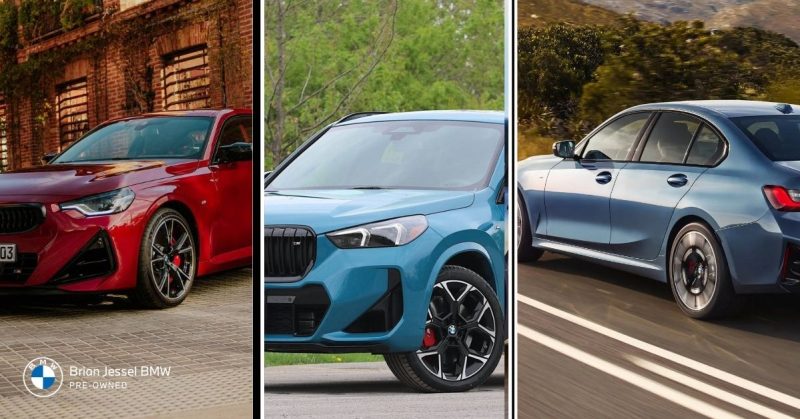
Pros and Cons Breakdown by Series
Each BMW Series offers a different mix of comfort, practicality, and personality, so it helps to weigh their pros and cons.
BMW 2 Series Compact Performance Option
Pros: The 2 Series suits drivers who want something stylish and enjoyable to drive. It handles well and has a strong reputation for being engaging on the road. Its smaller size helps in city parking and tighter streets. Many young drivers appreciate its modern interior and sporty character.
Cons: The 2 Series is not the most practical option for families. Rear-seat space is more limited, and insurance costs can be higher depending on age and provider, since sport-oriented cars are rated differently by some insurers. Storage space is also smaller than the X1 or 3 Series.
BMW 3 Series Versatile First Luxury Sedan
Pros: The 3 Series is one of BMW’s most recognizable cars. It offers a balanced mix of comfort, refinement, resale value, and driving confidence. Many owners appreciate its interior space, solid ride quality, and strong reputation for long-term value. It also appeals to both young professionals and parents looking for a dependable first vehicle.
Cons: It usually sits in a higher price tier than the 2 Series or X1. Insurance can also be higher. For those on tight budgets, long-term costs may be worth careful consideration.
BMW X1 Compact SUV Practicality
Pros: The X1 stands out for its interior room, upright seating position, and ease of use. Drivers enjoy the clear sightlines, comfortable ride height, and extra cargo capacity. Families appreciate the added space and simple layout. It works well in Canadian weather thanks to its traction systems and ground clearance, which are greater than those of sedans.
Cons: The X1 feels larger than the 2 Series and 3 Series when manoeuvring or parking in tight areas. Drivers who prefer a low, sporty feel might find it less engaging. Insurance for SUVs may also differ depending on the provider.
Hidden Costs and Considerations for First-Time BMW Buyers
Maintenance plays a major role in BMW ownership, and new drivers should understand the long-term responsibilities that come with a luxury brand.
Maintenance and Reliability
Modern BMWs have improved in reliability, especially in their latest generations. Still, ownership costs can be higher than those of basic economy cars. Regular servicing at a BMW dealership or trusted specialist is important.
First-time owners should be prepared for scheduled maintenance and for wear items that may cost more than those from mainstream brands.
Insurance and Registration Factors
Insurance for BMW models tends to be higher due to luxury branding and repair costs. Younger drivers, in particular, may face higher premiums. Parents choosing a BMW for their child often consider safety ratings and driver-assistance features to help negotiate lower insurance rates.
Fuel Economy and Daily Costs
Some BMWs favour performance and may require premium fuel. Buyers who drive long distances or commute daily may notice the difference in fuel spending. Comparing long-term travel habits with the model’s driving characteristics helps prevent unexpected costs.
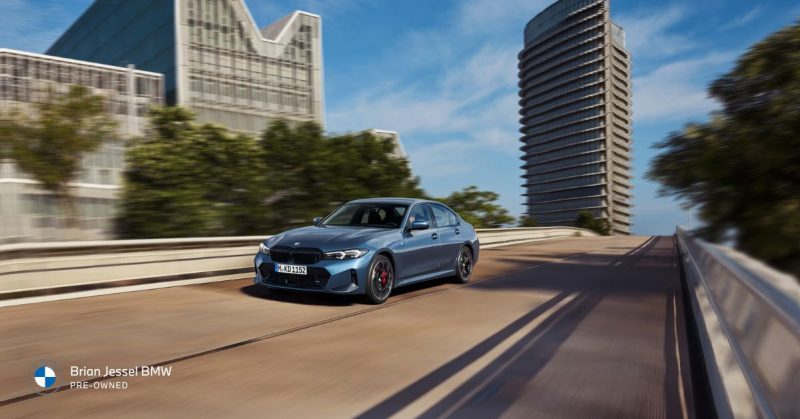
Everyday Usability: How Each Series Fits into a Beginner’s Life
New drivers navigating busy streets often find the 2 Series's compact size easy to handle, especially in tight traffic or crowded neighbourhoods. Those who prefer greater visibility and an upright driving position tend to feel more confident in the X1, while the 3 Series offers a comfortable middle ground with smooth daily driving and relaxed highway behaviour.
Parking and manoeuvring vary across the lineup. Smaller models like the 2 Series typically feel simpler to place in tight spots, whereas the X1’s higher stance improves sightlines but can feel slightly bulkier. The 3 Series balances both experiences, offering stability without feeling oversized.
Technology is another part of the learning curve. BMW’s infotainment and driver assistance features are intuitive for many first-time owners, though some drivers may need time to get used to the controls and menus.
Most models are available with automatic transmissions, which make the learning process easier, while manual options, if chosen, can require more practice but offer a more hands-on driving feel.
Long-Term Value: Resale and Upgrade Paths
When looking at long-term value, specific BMW models consistently stand out. Sedans like the 3 Series typically hold their resale value well, thanks to steady demand from drivers who appreciate its balance of comfort and performance.
The 2 Series also maintains good value, supported by its sporty appeal, though its more niche body styles can influence demand over time. The X1 also performs strongly in the resale market, thanks to its practicality and popularity among young urban professionals.
Upgrading within the BMW lineup is usually straightforward. Many owners begin with an entry-level model and gradually move toward larger or more feature-rich options as their needs evolve.
Choosing the right first BMW helps preserve trade-in value. It makes the transition to the next model smoother, offering a comfortable introduction into the wider BMW ecosystem of loyalty programs, financing options, and future upgrade paths.

Style and Personality Match: What Your BMW Choice Says About You
Choosing a BMW often comes down to more than features, as it’s about finding a model that reflects your personality and the way you want to feel on the road. Each Series carries its own design language and lifestyle fit, making it easier for drivers to connect emotionally with the one that speaks to them.
The 2 Series is a natural match for someone who enjoys a compact, energetic car with a sportier edge. Its styling signals confidence and a preference for something expressive and youthful.
The 3 Series appeals to those who appreciate a classic luxury sedan with a refined, balanced presence, drivers who want sophistication without being flashy.
The X1 fits individuals who prioritize comfort, practicality, and the assurance of an upright driving position. Its design suits people who want versatility without giving up a premium feel.
Every option reflects a slightly different set of priorities. Some drivers gravitate toward the excitement of a small coupe, while others lean toward the everyday convenience of a compact SUV. The right BMW feels like an extension of the lifestyle you want to lead.
In Closing
A first car shapes how new drivers feel on the road, and choosing the right BMW depends on comfort, budget, and daily needs. The 2 Series suits those who want a compact model with a sportier attitude, while the 3 Series offers a balanced introduction to luxury driving.
The X1 remains a strong choice for buyers who want space, confidence, and year-round practicality. Each one supports a different lifestyle, and understanding these differences helps buyers make a choice that feels right today and continues to hold value over time.
Looking for options nearby? Explore the Brian Jessel BMW Pre-Owned inventory in Vancouver, where a curated selection of vehicles can support your search for the right first BMW.
FAQs: Choosing the Best BMW Series for a First Car
Is BMW a good brand for a first-time driver?
Yes. BMW builds safe, dependable vehicles with strong road manners, which helps new drivers feel confident.
Which BMW is the cheapest to maintain?
Maintenance varies by condition and driving habits, but the X1 and 2 Series generally have lower running costs than larger BMW models.
Is a BMW 3 Series too much for a beginner?
Some first-time drivers feel comfortable in a 3 Series right away. It offers balanced handling and strong safety features, though its total cost may be higher.
Which BMW Series is safest for new drivers?
The models in this guide offer strong safety equipment and solid crash protection. The X1 and 3 Series often appeal to new drivers.
Does owning a BMW make sense for students or young professionals?
It can, especially for those who value comfort, safety, and long-term durability. However, budgeting for insurance, fuel, and maintenance is important before making a decision.