Second-Hand Cars in Vancouver: How to Buy with Confidence
Second-Hand Cars in Vancouver: How to Buy with Confidence
Posted on January 29, 2026
Buying a second-hand car in Vancouver is a practical choice for drivers who want value, reliability, and flexibility without the cost of a new vehicle. Still, the process can feel uncertain, especially for first-time buyers or those working within a strict budget.
Vancouver’s climate, driving conditions, and provincial regulations all influence what makes a used car a good purchase. Understanding how to buy second-hand cars in Vancouver requires local awareness, careful inspection, and informed decision-making.
This guide outlines seven clear tips to help buyers move forward with confidence while avoiding common mistakes in the local market.
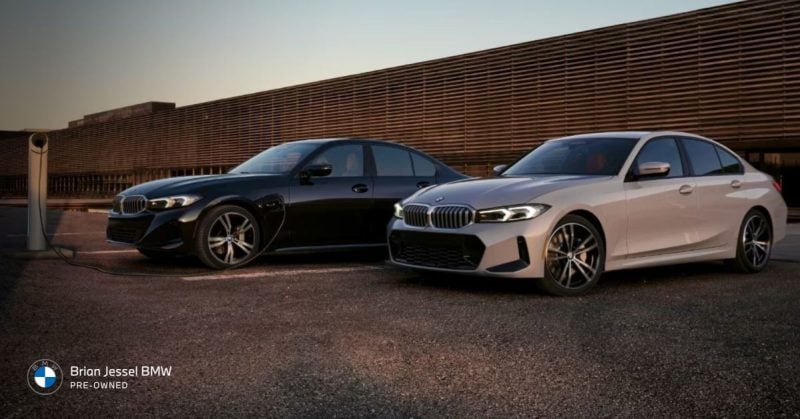
Tip 1: Know Why Buying a Used Car Makes Sense in Vancouver
Second-hand vehicles offer a strong balance between cost and practicality, particularly in a city where daily driving often involves short urban commutes rather than long-distance travel.
New vehicles lose value quickly in their first years, while used cars tend to maintain steadier resale value. Insurance costs are generally lower, and buyers avoid the sharp depreciation that comes with driving a new model off the lot.
For Vancouver residents dealing with rain-heavy conditions, limited parking, and weekend mountain drives, knowing how to buy second-hand cars in Vancouver helps align real driving needs with long-term affordability.
Tip 2: Understand How the Vancouver Used Car Market Works
The Vancouver used car market changes throughout the year. Demand for all-wheel drive vehicles and winter-ready models typically increases in the fall, while compact and fuel-efficient cars remain popular year-round due to urban driving patterns.
Buyers will encounter three main options: private sellers, local dealerships, and online listings. Dealerships often provide inspections and vehicle history transparency, while private sales may appear cheaper but require more caution. Online platforms serve as comparison tools but should not replace in-person evaluation.
Vehicles suited for city driving, wet weather traction, and weekend highway use, such as sedans with strong safety records or SUVs with all-wheel drive, are commonly sought after in the Lower Mainland.
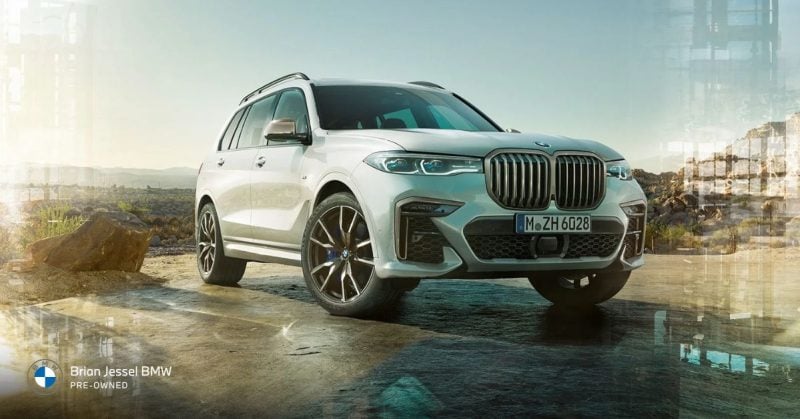
Tip 3: Set a Realistic Budget Beyond the Sticker Price
A clear budget should account for more than the sticker price. Insurance, routine maintenance, seasonal tires, and registration costs all affect long-term affordability.
Before shopping, buyers should decide on a maximum purchase range that leaves room for ownership expenses. Planning also helps prevent pressure-driven decisions at the dealership or during private negotiations.
For those considering financing, pre-approval through a financial institution or dealership can clarify monthly obligations and simplify the buying process.
Tip 4: Inspect the Car Carefully and Test Drive in Real Vancouver Conditions
A visual and functional inspection is essential. Buyers should look for signs of uneven wear, rust, particularly around wheel wells and undercarriage, and the general condition of tires and brakes. The engine bay should appear clean and well-maintained, without visible leaks.
A pre-purchase inspection involves an independent mechanic reviewing the vehicle for hidden issues that may not appear during checking. This step is often worth the cost, especially in a climate where moisture can accelerate wear.
Test drives should reflect Vancouver’s driving realities. Braking on wet roads, handling on inclines, and responsiveness in traffic all matter more than highway-only performance.
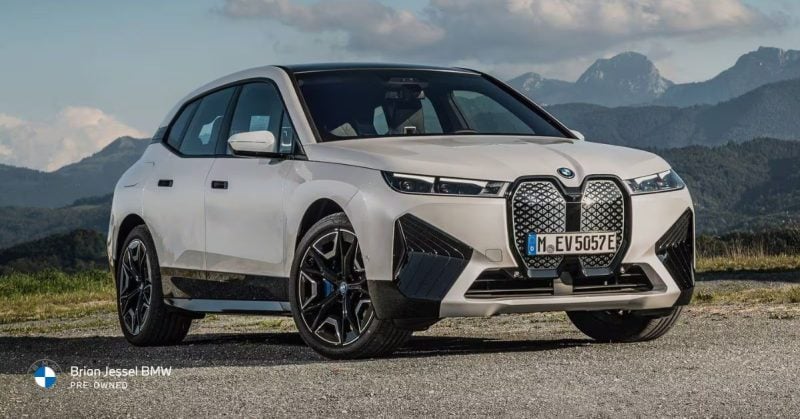
Tip 5: Learn How to Avoid Scams and Problem Cars
Buyers should be cautious of sellers who rush the process, avoid questions, or resist inspections. Prices far below market averages often signal undisclosed problems.
Clear communication is key. Ask direct questions about ownership history, maintenance, and usage. Sellers should provide consistent answers and supporting documents.
Vehicle history should always be verified through official records that confirm ownership, accident history, and outstanding financial obligations, even when dealing with established sellers.
Tip 6: Get the Paperwork and ICBC Steps Right
In British Columbia, ownership transfer requires proper documentation, including a signed transfer form and valid identification. Insurance must be arranged before driving the vehicle.
Registration and insurance are handled through ICBC-authorized brokers. Buyers should confirm the vehicle meets roadworthiness standards and, where applicable, emissions requirements.
Important documents to request include proof of ownership, accurate mileage records, and any available service history. 1
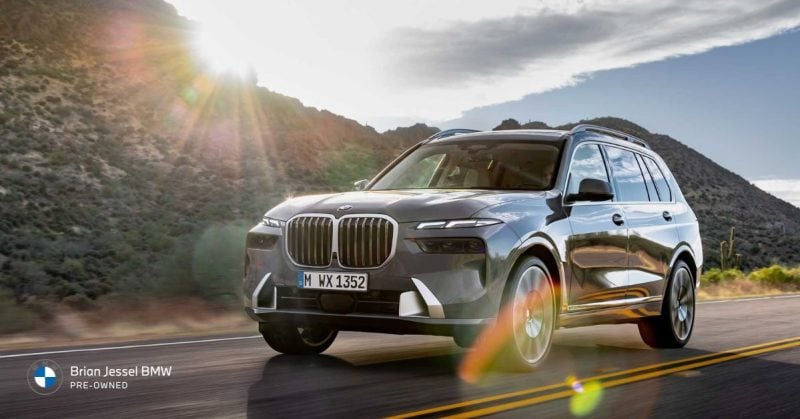
Tip 7: Choose the Right Seller for Long-Term Peace of Mind
Purchasing from a certified local dealer offers added confidence. Vehicles are typically inspected, reconditioned, and supported by warranty options or return policies. A trustworthy dealership demonstrates transparency, consistent customer reviews, and a long-standing presence in the community.
Clear pricing and documented inspections help buyers understand exactly what they are purchasing. Compared to private sellers, dealerships provide structured processes and post-sale support.
For buyers considering premium pre-owned vehicles, certified programs, such as BMW Certified Pre-Owned options available through Brian Jessel BMW, offer manufacturer-backed inspections and added peace of mind without promoting any obligation.
Final Thoughts – Your Smart Buying Checklist
Before finalizing a purchase, buyers should take a moment to confirm that the vehicle aligns with their budget and everyday driving needs, that the inspection and test drive have raised no concerns, that ownership and vehicle history records are complete and accurate, and that insurance and registration requirements are clearly understood.
Buying a second-hand car in Vancouver remains a smart decision when approached with preparation and clear judgment. With the right checks in place, used vehicles can provide dependable performance and long-term value.
FAQs
1. Is it better to buy from a private seller or a dealership?
Dealerships provide structured processes, inspections, and support, while private sales may offer lower prices but require more independent checks.
2. What’s the safest way to pay for a used car?
Certified cheques or bank drafts are commonly used. Avoid large cash transactions.
3. Do I need to pay tax on a used car in BC?
Yes. Provincial sales tax generally applies to used vehicle purchases.
4. Can I test drive a used car before buying it?
Yes. Test driving is standard and should always be part of the process.
5. What documents do I need to transfer ownership?
A signed transfer form, identification, and insurance arrangements are required.
6. How do I make sure a car isn’t stolen or has outstanding debt?
Confirm ownership and lien status through official vehicle records before purchase.