How Many Kilometers Is Too Much for a Used BMW in Canada?
How Many Kilometers Is Too Much for a Used BMW in Canada?
Posted on May 28, 2026
Mileage is one of the biggest concerns for buyers shopping for a used BMW in Canada. Many drivers worry that higher kilometres automatically mean higher repair costs or shorter vehicle life. In reality, mileage only tells part of the story.
A well-maintained BMW with 140,000 km may be a safer purchase than a lower-mileage vehicle with poor service history or accident damage. Climate, driving conditions, ownership history, and maintenance records all play a major role in how a BMW ages in Canada.
For most buyers, the key is understanding when mileage becomes a concern, what counts as normal yearly driving, and how to compare conditions alongside the odometer reading.
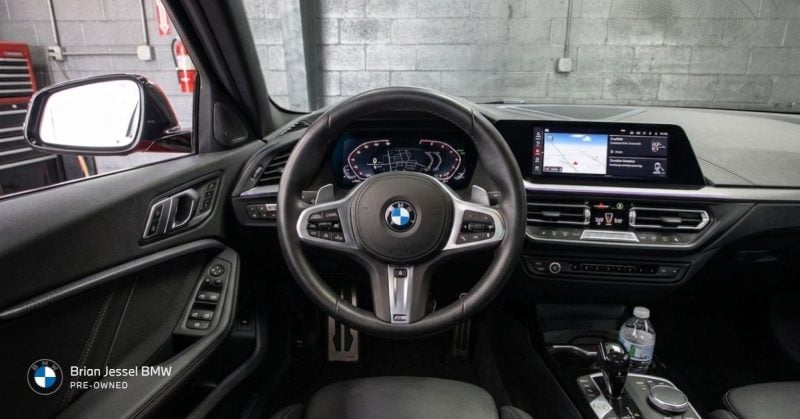
What Is a Good Mileage for a Used Car in Canada?
Good mileage means the odometer reading makes sense for the vehicle’s age, condition, maintenance history, and price. A lower mileage BMW is not automatically safer, and a higher-mileage BMW is not automatically a bad purchase.
Mileage still matters because every kilometre adds wear to the engine, transmission, brakes, suspension, cooling system, and electronics. However, the type of driving matters too. A BMW driven mostly on highways may experience less wear than a lower-mileage vehicle used mainly in stop-and-go city traffic.
In Vancouver, annual driving distances are often lower than in many other parts of Canada. The City of Vancouver’s 2024 Transportation Survey estimated approximately 8,900 km per passenger vehicle per year locally.
Natural Resources Canada also reported that cars in BC and the Territories averaged 10,921 km annually in 2021. ICBC’s used-vehicle inspection guidance references approximately 25,000 km per year as a broader vehicle-use benchmark when evaluating odometer readings.
Average Canadian Mileage Benchmarks
These mileage ranges help buyers compare a vehicle’s age with its odometer reading and identify whether the vehicle has lower, average, or higher usage for its age.
| Vehicle Age | Lower Mileage Range | Moderate Mileage Range | Higher Mileage Range |
| 3 Years Old | 25,000–40,000 km | 45,000–65,000 km | 75,000 km+ |
| 5 Years Old | 45,000–60,000 km | 75,000–100,000 km | 125,000 km+ |
| 7 Years Old | 60,000–85,000 km | 105,000–140,000 km | 170,000 km+ |
| 10 Years Old | 90,000–120,000 km | 150,000–200,000 km | 240,000 km+ |
These mileage ranges are guidelines rather than strict rules. Buyers should compare mileage alongside service records, ownership history, accident disclosures, and overall condition before deciding whether a BMW is priced fairly for its condition.
Average Mileage Per Year in Canada (km Explained)
Average annual mileage helps buyers compare a BMW’s odometer reading with its age. In Canada, average mileage per year varies depending on commuting distance, climate, urban versus highway driving, and regional driving habits. To estimate yearly mileage, divide the current kilometres by the vehicle’s age.
For example, a 2021 BMW with 95,000 km in 2026 averages about 19,000 km per year. A similar BMW with 155,000 km averages roughly 31,000 km annually and may need closer inspection and stronger service records.
Driving conditions also affect wear. Highway driving is usually easier on engines and transmissions than stop-and-go city traffic. Climate matters too, especially in Canada, where moisture, road salt, and temperature changes can increase long-term wear on mechanical and underbody components.
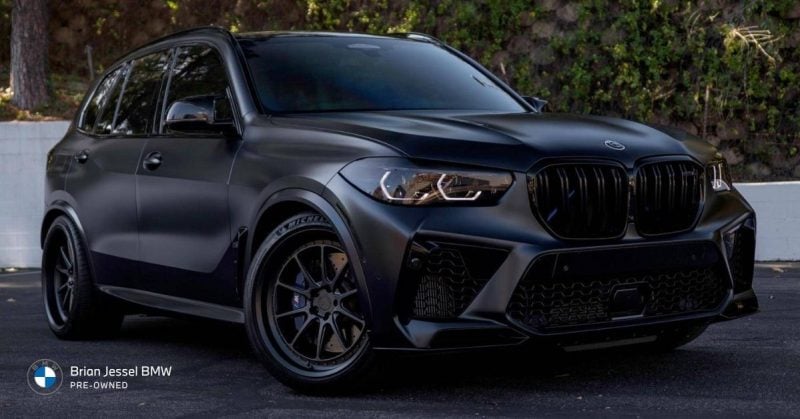
Best Mileage Range to Buy a Used BMW in 2026
For many Canadian buyers in 2026, a practical balance between price, depreciation, and maintenance exposure is often found between 60,000 km and 120,000 km.
Different mileage ranges usually suit different budgets and ownership goals.
| Mileage Range | Typical Buyer Focus | What Buyers Should Expect |
| Under 60,000 km | Higher Budget Buyers | Higher Pricing, Newer Technology, Possible Remaining Warranty |
| 60,000–120,000 km | Value-Focused Buyers | Lower Depreciation with Moderate Maintenance Exposure |
| 120,000–180,000 km | Lower Purchase Budget | More Maintenance Planning and Inspection Importance |
| 180,000 km+ | Budget-Conscious Buyers Comfortable with Repair Risk | Lower Pricing but Increased Ownership Uncertainty |
BMW Canada’s Certified Pre-Owned program states that Certified vehicles must be no more than five years old and have no more than 120,000 km.
BMW Canada also notes that Certified vehicles receive inspection and reconditioning by BMW Certified Technicians using Original BMW Parts. Warranty coverage depends on vehicle eligibility and Certified program terms.
A BMW above 120,000 km should not automatically be dismissed. Buyers simply need to inspect those vehicles more carefully and budget more realistically for future maintenance.
How Many Kilometers Is Too Much for a Used BMW in Canada?
There is no single mileage number that automatically makes a used BMW unreliable. The bigger concern is how the vehicle was maintained as kilometres increased over time. For a used BMW in Canada, mileage becomes a more important risk factor after approximately 120,000 km.
After 160,000 km, buyers should expect more detailed inspections and a greater chance of upcoming repairs. Beyond 200,000 km, maintenance history usually matters more than the odometer itself.
These mileage ranges matter because several BMW systems often require larger maintenance items as vehicles age. Suspension components, cooling systems, batteries, electronic modules, gaskets, and drivetrain components all experience wear over time.
Mileage Thresholds for BMW
These mileage ranges can help buyers understand when a used BMW moves from lower wear exposure into higher-maintenance territory. They are not strict limits, but they can help buyers compare mileage alongside condition, maintenance history, and long-term ownership expectations.
| Mileage Range | What It Usually Means |
| Under 60,000 km | Lower Mileage with Less Wear Exposure |
| 60,000–120,000 km | Common Used BMW Range |
| 120,000–160,000 km | Higher Mileage Requiring Stronger Service History |
| 160,000–200,000 km | Increased Inspection Importance |
| 200,000 km+ | Condition and Maintenance Become Critical |
Why BMWs Can Handle Higher Mileage
BMW vehicles are engineered for long-distance driving and sustained highway use. Many BMW engines and drivetrains remain dependable past 200,000 km when maintenance is performed consistently and preventative repairs are completed on time.
Regular oil changes, cooling-system servicing, brake fluid replacement, transmission maintenance, and timely repairs all contribute heavily to long-term reliability. BMWs also tend to use stronger chassis construction, refined drivetrains, and durable interior materials compared with many mainstream vehicles, which is why well-maintained older BMWs often continue feeling stable and composed at higher mileage.
When Mileage Becomes a Risk
Mileage becomes more concerning when it appears alongside missing service records, neglected maintenance, fluid leaks, warning lights, collision history, or poor driving behaviour during inspection.
Higher-mileage BMWs usually need closer attention to cooling systems, suspension components, oil leaks, transmission performance, xDrive servicing, and electronic systems. Buyers should also check whether larger maintenance items have already been completed.
In British Columbia, used-vehicle disclosure rules also matter. The Vehicle Sales Authority of BC states that sellers must disclose whether the odometer accurately reflects the distance travelled, whether the vehicle was used commercially or as a rental, whether it was registered outside BC, and whether repairs exceeded $2,000.
Is Low Mileage Always Better? (Common Mistakes Buyers Make)
Many buyers assume lower mileage automatically means lower risk, but that is not always true. A BMW that sits unused for long periods can develop battery issues, brake corrosion, aging fluids, dried seals, flat-spotted tires, and moisture-related problems.
In some cases, lower annual mileage can also mean owners delayed maintenance because they assumed less driving meant less service was necessary.
A well-maintained BMW with higher highway mileage may actually present fewer problems than a lower-mileage vehicle with inconsistent servicing or incomplete records.
Mileage should always be reviewed together with service history, ownership history, accident disclosures, inspection results, and driving conditions.
A BMW with slightly higher mileage but detailed records often gives buyers a clearer understanding of long-term ownership than a low-mileage vehicle with missing documentation.
Key Factors That Matter More Than Mileage in a Used BMW
Mileage is important, but it is only one part of the buying decision. Several other factors often affect ownership costs and long-term reliability more directly than the odometer reading itself.
Maintenance History
Maintenance history shows whether the BMW received consistent care throughout its life. Oil service, coolant changes, brake fluid replacement, transmission servicing, and preventative repairs all influence long-term reliability. BMWs generally respond well to preventative maintenance, while delayed servicing can increase wear on engines, turbochargers, cooling systems, and drivetrain components.
Buyers should request invoices, dealership records, maintenance logs, and CARFAX Canada reports before purchasing. BMW Canada also states that Certified Pre-Owned vehicles are inspected and reconditioned by BMW Certified Technicians using Original BMW Parts.
Driving Type (Highway vs City)
The type of driving affects wear just as much as total mileage. Highway driving is generally easier on engines and transmissions because vehicles maintain stable operating temperatures and shift less frequently.
City driving in Vancouver often includes stop-and-go traffic, steep hills, shorter trips, and repeated braking, all of which increase wear on brakes, suspension systems, and drivetrains. Buyers should ask how the vehicle was used and inspect for excessive brake wear, uneven tires, curb damage, or heavy interior wear.
Previous Ownership
Ownership history helps buyers understand how consistently a BMW was maintained throughout its life. A one-owner vehicle with stable servicing is often easier to evaluate than a vehicle that changed owners several times in a short period.
CARFAX Canada reports can help buyers review registration history, accident disclosures, import history, and odometer records before purchase.
Service Records
Service documentation helps confirm whether maintenance was completed properly and consistently. Missing records increase uncertainty, especially for higher-mileage BMWs approaching larger maintenance intervals.
Brian Jessel BMW Pre-Owned also advises buyers to review CARFAX Canada reports because they may show accident history, odometer records, registration history, and import status.
Condition of Engine and Transmission
The engine and transmission are among the most expensive systems to repair in a used BMW. Rough shifting, fluid leaks, unstable idling, drivetrain vibration, or warning lights may indicate future repair costs.
A professional inspection should include electronic diagnostics, underbody inspection, leak detection, cold-start evaluation, and transmission testing before purchase.
Risks of Buying a High Mileage BMW (And How to Avoid Them)
Higher mileage increases the importance of inspections and preventative maintenance. Buyers should understand which BMW systems commonly wear over time and how to identify early warning signs before purchasing.
Cooling System Wear
BMW cooling systems often require more attention as mileage increases because water pumps, thermostats, hoses, and expansion tanks gradually wear over time. Cooling-system failures can eventually lead to overheating and expensive engine damage if ignored.
Buyers should check for coolant leaks, overheating warnings, inconsistent temperature readings, or evidence of previous cooling-system repairs. Maintenance records showing recent cooling-system servicing can reduce future repair risk.
Suspension Wear
Suspension wear becomes more common as mileage increases, especially on vehicles driven frequently on rough roads or in urban traffic conditions.
Bushings, shocks, mounts, and control arms wear gradually and affect ride quality, tire wear, handling stability, and steering feel. During the test drive, buyers should listen for clunks, vibrations, or unstable handling behaviour and inspect tires for uneven wear patterns.
Electronic Component Aging
Modern BMWs contain complex electronic systems, sensors, driver-assistance features, infotainment systems, and climate controls that can become more unpredictable with age.
Warning lights, sensor faults, malfunctioning parking systems, slow infotainment performance, or electrical irregularities may indicate aging components. A complete diagnostic scan before purchase can help identify hidden electronic faults.
Warranty Limitations
Warranty coverage becomes more limited as mileage increases because higher-mileage vehicles may no longer qualify for BMW Certified coverage or extended protection plans.
BMW Canada states that Certified vehicles must be no more than five years old and have no more than 120,000 km.
Potential Hidden Issues
Some problems are not immediately visible during a quick inspection or short test drive. Collision repairs, underbody corrosion, hidden leaks, and previous structural damage can affect long-term reliability and resale value.
CARFAX Canada reports, professional inspections, and underbody checks help buyers identify hidden concerns before purchase. ICBC also recommends professional inspections, lien searches, theft-history checks, and recall checks when buying a used vehicle.
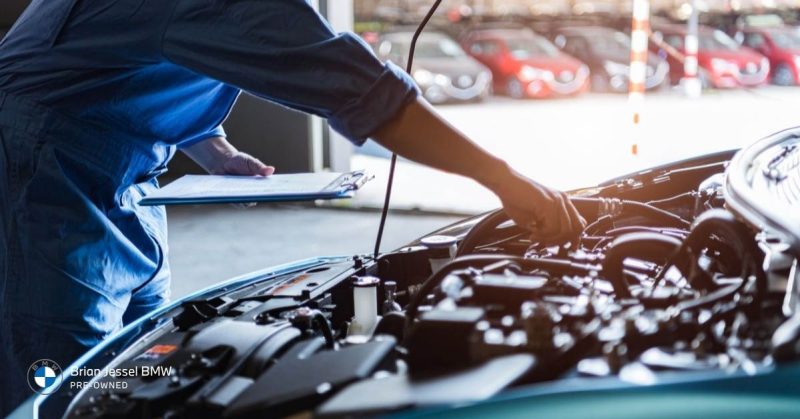
Tips for Buying a Used BMW with the Right Mileage
Choosing the right mileage depends on balancing purchase price, long-term ownership costs, maintenance history, and overall condition.
Match Mileage with Age
Comparing annual kilometres with vehicle age helps buyers identify whether usage appears reasonable or unusually heavy for the model year. A newer BMW with very high yearly mileage may require closer inspection and stronger maintenance documentation before purchase.
Always Check Service Records
Detailed service records often reveal more about a BMW’s condition than mileage alone because they show whether preventative maintenance was completed consistently. Missing records can increase uncertainty about previous repairs, fluid changes, and long-term ownership care.
Get a Professional Inspection
Professional inspections help identify fluid leaks, suspension wear, electronic issues, and hidden mechanical problems before purchase. A proper inspection can also reveal underbody corrosion, previous repairs, or early warning signs that may not appear during a short test drive.
Compare Multiple Listings
Comparing similar BMWs helps buyers understand how pricing changes based on mileage, service history, trim level, and condition. Reviewing multiple listings also helps buyers recognize when a vehicle may be overpriced or unusually underpriced for the market.
Test Drive Thoroughly
A detailed test drive should include highway speeds, braking, steering response, parking manoeuvres, acceleration, suspension behaviour, and cold-start operation whenever possible. Buyers should also pay attention to warning lights, drivetrain vibration, unusual noises, and overall driving smoothness.
Recommended Strategy for Choosing the Right Mileage BMW
A structured buying process helps buyers compare used BMWs more confidently and avoid focusing only on the odometer.
Step 1 | Set a Total Budget: Include taxes, insurance, future maintenance, repairs, tires, and registration costs when planning your purchase budget.
Step 2 | Choose the BMW Model: Different BMW models have different maintenance costs, repair exposure, drivetrain systems, and long-term ownership patterns.
Step 3 | Compare Mileage Against Age: Calculate average annual kilometres and compare that number with local Canadian driving patterns and vehicle condition.
Step 4 | Review Maintenance Records: Look for consistent servicing, preventative repairs, dealership history, and complete maintenance documentation.
Step 5 | Verify Vehicle History: Review CARFAX Canada reports, accident disclosures, registration history, and ownership records before purchasing.
Step 6 | Inspect Vehicle Condition: Evaluate interior wear, paint condition, tires, brakes, electronics, underbody condition, and suspension components carefully.
Step 7 | Schedule a Professional Inspection: Professional inspections help identify hidden structural, mechanical, or electronic concerns that may not appear during a short test drive.
Step 8 | Test Drive Carefully: Drive the BMW in mixed conditions to evaluate acceleration, braking, suspension behaviour, transmission response, and overall drivability.
Step 9 | Compare Overall Value: The better approach is to compare mileage alongside condition, maintenance history, inspection results, ownership records, and pricing before making a final decision.
Why Buy a Used BMW from Brian Jessel Pre-Owned in Vancouver
Buying from a BMW-focused dealership can help buyers compare vehicles more carefully because staff are familiar with BMW servicing, warranty eligibility, inspection standards, and common maintenance concerns.
Brian Jessel BMW Pre-Owned offers used BMW sedans, SUVs, and Certified BMW models across multiple mileage ranges, helping buyers compare lower-mileage and higher-mileage vehicles side by side.
The dealership also provides financing support, trade-in options, and access to BMW service expertise in Vancouver.
Brian Jessel BMW states that its Vancouver service department includes more than 40 certified, factory-trained technicians, BMW-approved diagnostic equipment, and original BMW parts and accessories.

Explore Used BMW Inventory in Vancouver
Used BMW buyers in Vancouver often compare several mileage ranges before making a final decision. Lower-mileage vehicles may appeal to buyers looking for newer technology or remaining warranty coverage, while moderate-mileage vehicles may provide stronger long-term value.
Brian Jessel BMW Pre-Owned lists used BMW sedans, SUVs, and Certified BMW models at 1515 Boundary Road in Vancouver, including the BMW X1, X3, X5, X7, 330i, and 4 Series. Buyers can compare different mileage ranges, model years, and pricing directly through the dealership’s inventory listings.
Final Verdict: How Many Kilometers Is Too Much for a Used BMW?
For most Canadian buyers, 100,000 km is not automatically too much for a used BMW. In many cases, it reflects normal use for the vehicle’s age. After 120,000 km, buyers should pay closer attention to maintenance history and inspection results. Beyond 200,000 km, condition, ownership history, and preventative maintenance usually matter more than the odometer itself.
High mileage can still be acceptable when the BMW has detailed service records, stable driving behaviour, preventative maintenance history, and strong inspection results.
Higher mileage becomes more concerning when records are missing, warning lights are present, fluid leaks appear, or inspection results suggest neglected maintenance.
The better approach is to compare mileage alongside condition, maintenance history, inspection results, ownership records, and pricing rather than focusing only on the odometer reading.
FAQs
1. Is 100,000 km too much for a used BMW?
No. A BMW with 100,000 km can still be a reasonable purchase if it has strong maintenance records and solid mechanical condition.
2. How many kilometres do BMWs usually last?
Many BMWs exceed 200,000 km with proper maintenance, although lifespan varies depending on the model, engine, climate, service history, and driving conditions.
3. What mileage do BMWs start to break down?
There is no exact mileage where BMWs begin failing. Buyers should inspect vehicles more carefully after 120,000 km and expect additional maintenance as mileage increases.
4. Should I avoid buying a high-mileage BMW?
Not necessarily. Higher-mileage BMWs can still be reasonable purchases when maintenance records, inspection results, and ownership history are strong.
5. Does highway mileage matter more than city mileage?
Yes. Highway driving usually creates less wear on engines, transmissions, brakes, and suspension systems than repeated city driving.
6. Is it better to buy a low-mileage older BMW or a newer high-mileage one?
It depends on condition, maintenance history, and inspection results. A newer higher-mileage BMW with strong records may be safer than an older low-mileage vehicle with inconsistent servicing.
Explore More: Used BMW 2023 in vancouver, Used BMW 2024 in vancouver, Used BMW 2025 in vancouver, Used BMW SUVs, BMW Used Sedan, Used SUVs for Sale