Finding the Right BMW 3 Series Year for You
Finding the Right BMW 3 Series Year for You
Posted on December 16, 2025
When considering a BMW 3 Series, one of the most common questions buyers face is: Which year of the BMW 3 Series is the best? Choosing the right model year for a personal purchase or a recommendation can be a challenging task.
With multiple generations of the 3 Series, each with distinct design features, performance upgrades, and reliability characteristics, understanding which model fits your needs and preferences is key. For many shoppers, looking at BMW 3 Series models comparison guides and real-world ownership reports is often the first step toward making a confident decision.
This guide is here to help you evaluate the most important factors, such as design, performance, reliability, and cost, to make an informed decision on the best BMW 3 Series year for you.
Overview: The Evolution of the BMW 3 Series
The BMW 3 Series, introduced in 1975, has evolved across seven generations: E21, E30, E36, E46, E90, F30, and G20. Each generation brought innovations in design, performance, and technology, shaping the 3 Series into the iconic vehicle it is today.
Over the years, the BMW 3 Series has evolved from a compact sports sedan into a versatile offering that caters to a wide range of drivers, from driving enthusiasts to those seeking daily comfort.
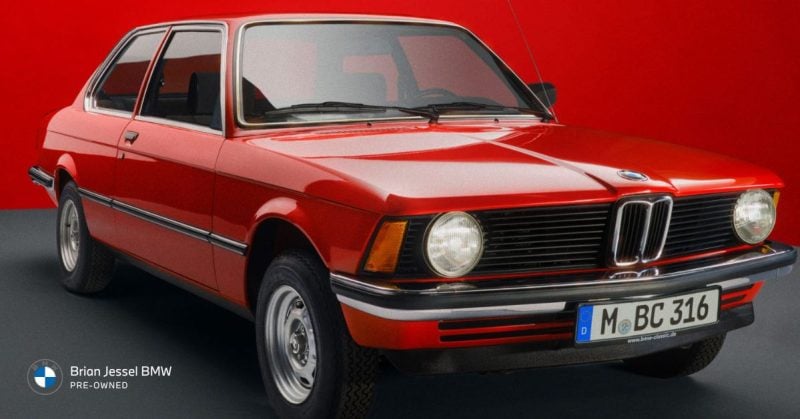
- E21 (1975-1983): The first-generation 3 Series marked BMW’s entry into the compact sedan market, combining sporty handling with everyday practicality.
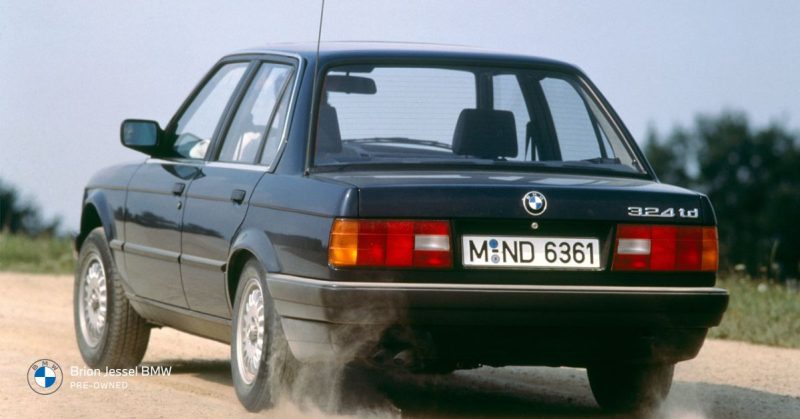
- E30 (1982-1994): The second generation introduced more body styles, including the Touring and Convertible, and improved safety features.
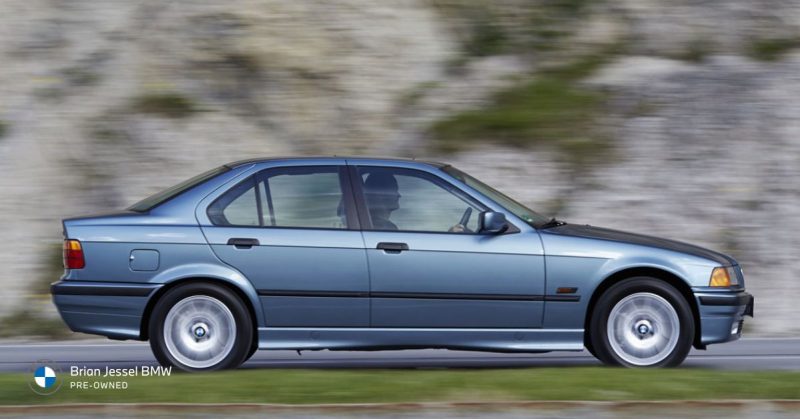
- E36 (1990-2000): The E36 refined the design with more aerodynamic features and improved handling, further solidifying the 3 Series' sporty image.
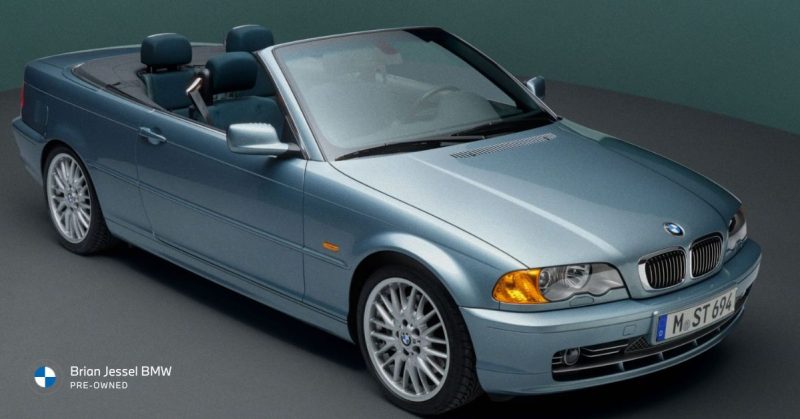
- E46 (1998-2006): With its sleek design and advanced technology, the E46 set the standard for the 3 Series, combining sportiness with luxury.
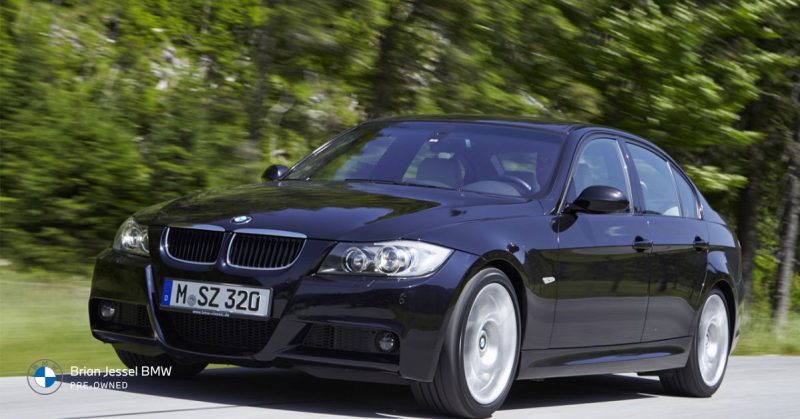
- E90 (2005-2013): The fifth-generation improved efficiency and comfort, introducing innovations like the BMW Efficient Dynamics technology.
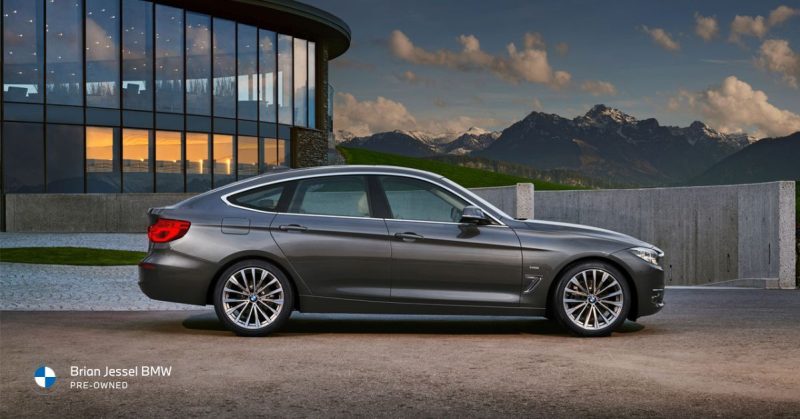
- F30 (2011-2019): The F30 enhanced versatility, offering more interior space and a wider range of engine options.
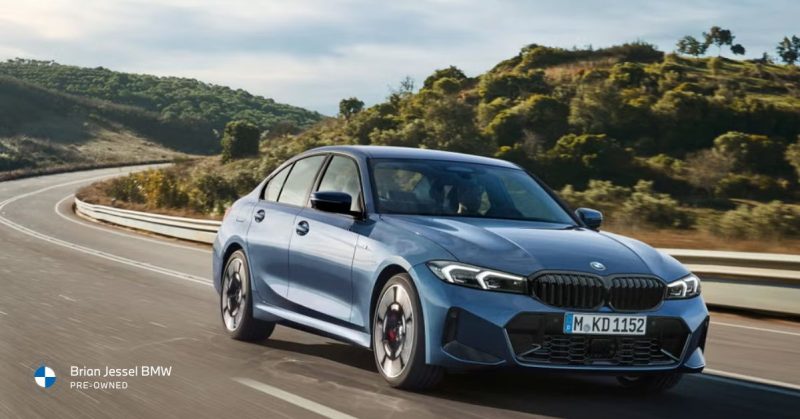
- G20 (2019-present): The current generation continues the 3 Series’ legacy with a focus on technology, performance, and luxurious comfort.
Each generation reflects BMW’s commitment to evolving the 3 Series in response to changing technology, consumer preferences, and driving standards. However, the best year for you will depend on your specific needs and expectations.
How to Determine the Best Year for You
To help you decide which model year best fits your needs, consider asking the following questions:
Are you looking for classic charm or modern features? Older generations like the E30 offer a more traditional, analog driving experience, while the G20 provides cutting-edge technology and a more refined driving experience.
Is budget or long-term reliability your top concern? Older models might be more affordable but could have higher maintenance costs. Newer models tend to offer better fuel efficiency, longer warranties, and fewer issues but may come with a higher upfront cost.
Do you prioritize driving experience or daily comfort? While the 3 Series is known for its driving dynamics across all years, later generations like the F30 and G20 offer more comfort features without compromising sportiness.
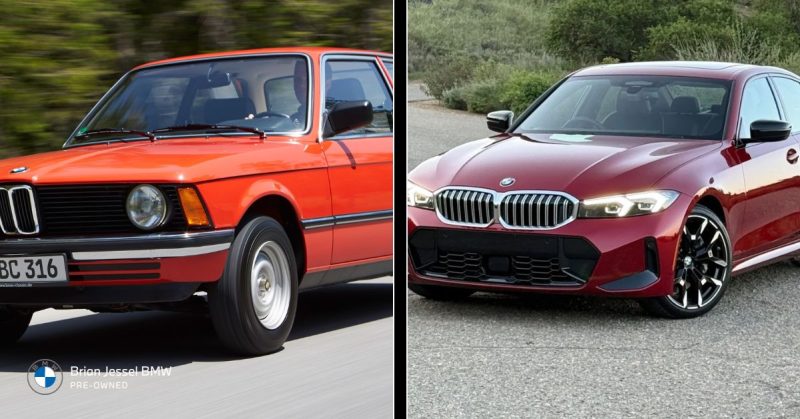
Design Changes Through the Years
Over the decades, the BMW 3 Series has maintained a distinct design language, with each generation introducing subtle yet significant changes in aesthetics, reflecting BMW’s goal of creating a car that blends both aesthetics and function. The E21, the first-generation 3 Series, featured a classic, boxy design with sharp lines and compact proportions, laying the foundation for the sport sedan look.
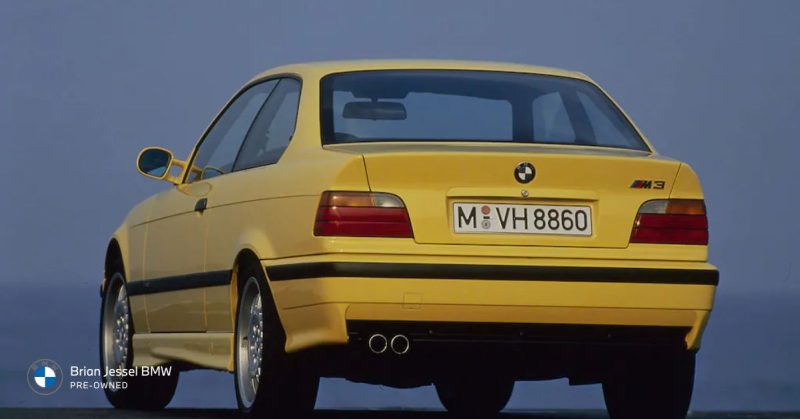
The E30, the second generation, softened the lines but kept a sporty stance, with the Convertible and Touring models expanding its appeal. The E36 brought smoother, more rounded edges, focusing on aerodynamic performance, while the M3 variant became a track-focused icon.
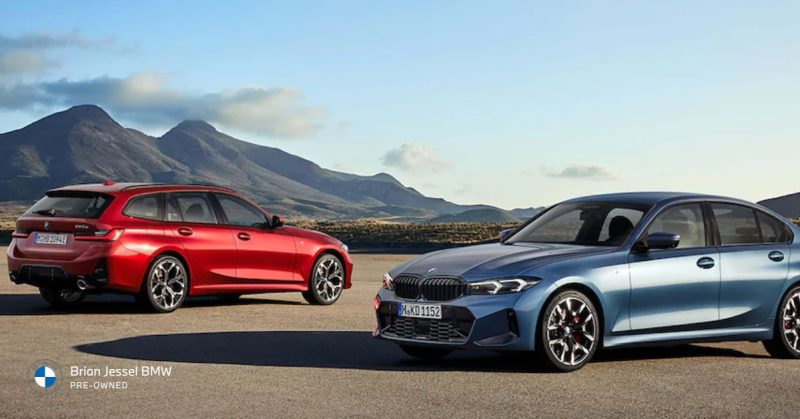
The E46 was sleek and more refined, boasting a more luxurious appearance with a longer wheelbase and improved materials. The E90 adopted a more contemporary, muscular look, with a focus on increased interior space and practicality. The F30 continued this evolution with a more aggressive front end and sharp lines, shifting toward a more tech-focused design.
The G20, the current generation, features sharper lines, a more sculpted kidney grille, and a wider stance, emphasizing a more dynamic and modern appearance. With each facelift, BMW has continually improved upon the previous model’s appeal, balancing performance, luxury, and cutting-edge design.
Performance & Driving Feel Across Generations
BMW is renowned for exceptional driving dynamics, and the 3 Series has consistently delivered across generations. The E21 balanced performance and comfort with rear-wheel drive and a responsive chassis. The E30 was praised for its raw driving feel and agility, with the M3 being a standout.
The E36 refined handling, offering better stability and a more powerful M3. The E46 combined comfort and sportiness, with its M3 regarded as one of the best driving machines. The E90 shifted to a more comfort-oriented ride while retaining a sporty edge.
The F30 introduced improved handling with new suspension technologies. The G20 builds on this foundation, with enhanced handling, new tech, and a low center of gravity for optimal dynamics.
Today, the G20 offers the best balance of performance and comfort, especially in the M340i xDrive trim, which delivers M-level power in a daily driver package.
Reliability & Maintenance Considerations
Reliability and maintenance expectations differ widely across the BMW 3 Series lineup, and shoppers should consider both age-related wear and generation-specific tendencies. Within each generation, reliability varies more by engine, maintenance history, and previous ownership than by model year alone.
Early models like the E21 can be dependable when well maintained, though age-related issues such as rust, electrical wear, and outdated components are common. The E30 has a reputation for durability but typically requires more ongoing upkeep due to age, especially in areas prone to corrosion or suspension fatigue.
The E36 offers solid long-term potential but is known for cooling system weaknesses, suspension wear, and occasional electrical issues. The E46 remains popular for its balance of performance and refinement, though buyers should expect typical aging concerns such as cooling system replacement, bushing wear, and possible rust depending on climate and previous care.
The E90 generally provides stable day-to-day reliability, with well-documented maintenance items like water pumps, oil leaks, and suspension components appearing throughout its lifespan. The F30 tends to deliver dependable service for many owners, although turbocharged engines and electrical systems may require attention as mileage increases.
The current G20 benefits from modern engineering, updated electronics, and newer materials, but long-term reliability data is still developing simply because these cars have fewer high-mileage examples on the road. As with all newer luxury vehicles, repair costs may be higher due to advanced components and technology.
Overall, buyers should evaluate each car individually based on documented service history, mechanical condition, and engine type rather than relying solely on generational stereotypes.
Feature & Technology Progression
BMW has made significant strides in technology over the years:
The E21 focused on basic safety features and comfort, with minimal tech. The E30 introduced advanced features for its time, like an onboard computer and improved safety tech. The E36 offered better infotainment options and safety features, including airbags.
The E46 added luxury features like a navigation system, better audio, and advanced airbags. The E90 introduced iDrive technology, enhanced infotainment systems, and Bluetooth integration.
The F30 saw significant tech upgrades, including BMW iDrive 6 and driver-assist features like lane departure warning and collision mitigation. The G20 offers cutting-edge technology, such as BMW Operating System 7.0, gesture controls, adaptive cruise control, and the Live Cockpit Professional.
If tech is a priority, the G20 offers the most advanced features, while older models like the E30 or E46 may appeal to those who prefer simpler systems.
Ownership Costs & Insurance Factors
When buying a used BMW 3 Series, consider the following factors:
Depreciation Trends: Depreciation varies widely across the BMW 3 Series lineup and depends more on condition, mileage, and trim than on the model year alone. Newer generations like the G20 typically experience the steepest depreciation during their first few years, but they offer modern technology, warranty coverage, and fewer age-related repairs.
Older generations, including the E46, E90, and even certain E30/E36 models, have already absorbed most of their initial depreciation and often show more stable long-term values. Enthusiast-focused trims or well-maintained examples may hold value especially well.
Rather than assuming one generation depreciates “best,” shoppers should compare individual vehicles, maintenance history, and market demand for each model.
Repair Costs: Older models might have cheaper parts, but as they age, they may require more repairs. Newer models like the G20 have fewer common issues but can be more expensive to fix.
Insurance Costs: Older models typically cost less to insure, while newer models, especially those with higher performance, will increase premiums.
Which BMW 3 Series generation fits different lifestyles?
The best 3 Series year depends heavily on your lifestyle and driving preferences:
Enthusiasts and Spirited Drivers: The E30 and E46 M3 are highly regarded among enthusiasts for their raw, engaging driving feel, making them popular choices for drivers who value analog performance.
First-time BMW Buyers: The F30 and G20 offer a good balance of performance, reliability, and modern features.
Daily Commuters: The E90 and F30 provide excellent comfort for daily use, while the G20 offers an enhanced digital experience.
Budget-conscious Buyers: The E46 and E90 are often viewed as strong value propositions because of their accessible pricing and wide availability on the used market.
Classic Car Lovers: The E30 and E36 are great choices for classic car lovers who appreciate the charm and nostalgia of older models.
How to Choose Your Ideal BMW 3 Series Year
To choose the right BMW 3 Series year for you, consider the following factors:
Personal Priorities: Determine what matters most, whether it's budget, comfort, sportiness, or reliability. Each generation offers a different balance of these features, so align your choice with your driving preferences.
Availability and Mileage: Check the availability of models within your budget and evaluate the mileage and condition of available options. Older models may offer better value but require more attention to maintenance.
Parts Support and Community: Older models often come with strong enthusiast communities and aftermarket support, making it easier to find parts and advice. Newer models, on the other hand, provide the latest technology, parts, and warranties, which could offer more peace of mind.
Where to Shop for the Best BMW 3 Series Deals
To find the best BMW 3 Series deals, explore certified used programs, local dealerships, enthusiast forums, and used car platforms. Certified pre-owned programs often offer warranties and thorough inspections, giving you peace of mind.
Enthusiast forums can connect you with passionate owners and potentially lead to private sales or rare finds. Local dealerships may have a variety of options, and used car platforms often list multiple models.
Keep in mind that different platforms may specialize in specific model years or generations, so be sure to check those focused on the BMW 3 Series for the best deals.
Final Thoughts: Your Best BMW 3 Series Year Depends on You
There is no single "best" year for the BMW 3 Series. The ideal model depends on your preferences, driving style, and budget. Whether you’re seeking a classic model with raw driving appeal or a modern vehicle with advanced technology, analyze the car’s details.
Conduct thorough research and join online communities for insights from fellow owners. Doing so will help you make an informed decision and find the BMW 3 Series that best suits your lifestyle and needs.
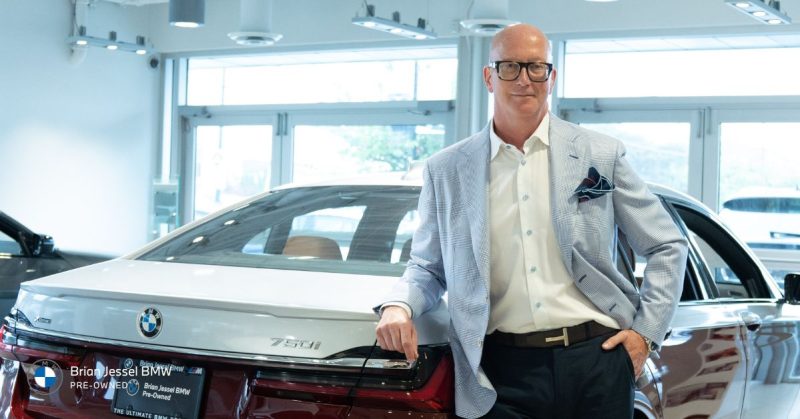
For those ready to take the next step, you can always explore real models in person. Conveniently located at 1515 Boundary Road in Vancouver, Brian Jessel BMW invites you to visit and discover the full range of exciting new BMW cars, as well as an exclusive inventory of high-quality pre-owned vehicles available in stock.
FAQs
Is an older or newer 3 Series better for long-term reliability?
Newer models tend to be more reliable due to improved technology and warranties, though older models like the E46 are also known for their long-term dependability.
Which BMW 3 Series years are easier to maintain?
Older models like the E46 and E90 are easier to maintain due to simpler technology, though they may require more frequent repairs as they age.
How do I know which generation fits my driving style?
Consider what you prioritize: classic driving feel (E30, E46), comfort (E90, F30), or modern tech and performance (F30, G20).
Is it better to buy certified or from a private seller?
Certified pre-owned offers warranties and inspections for peace of mind, while private sellers may offer lower prices but come with higher risks.
Do certain model years have more aftermarket support?
Yes, older models like the E30 and E46 have strong aftermarket support and enthusiast communities, while newer models may have more expensive OEM parts.