Are BMW SUVs Good in Snow and Bad Weather?
Are BMW SUVs Good in Snow and Bad Weather?
Posted on December 16, 2025
When it comes to driving in harsh winter conditions, the performance of your vehicle is crucial. For those living in regions like Vancouver, where winter weather can be unpredictable and challenging, the reliability of your vehicle in snow and bad weather can make a significant difference.
BMW, with its performance heritage, brings a unique approach to winter driving. The BMW SUV lineup, especially models equipped with xDrive, BMW's intelligent all-wheel-drive system, offers premium comfort, luxury, and exceptional performance in snowy and icy conditions.
Whether you’re navigating city slush, icy rural roads, or tackling more rugged terrain, BMW SUVs are engineered to support confident winter driving while preserving the brand’s characteristic sporty feel.
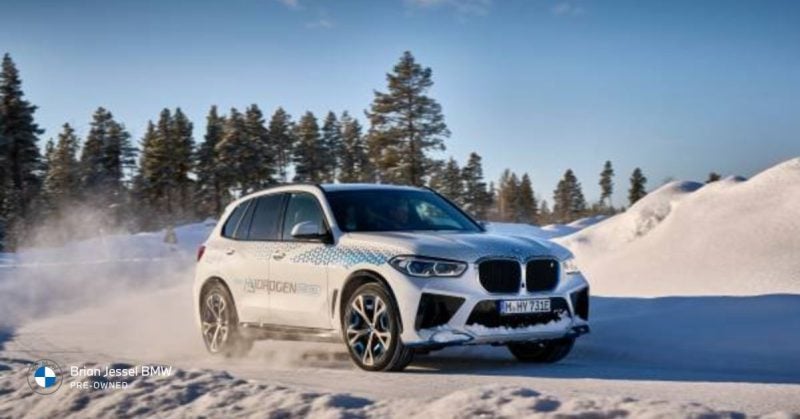
What makes a vehicle safe and reliable in snowy or harsh conditions?
Winter-ready vehicles need several key characteristics for safety and reliability on slippery, snow-covered roads. Traction, ground clearance, stability control, and an effective all-wheel-drive system are essential for maintaining control and comfort. In snow, a vehicle must grip the road effectively while minimizing the risk of sliding or losing control.
BMW's engineering philosophy emphasizes all-weather usability, which means BMW SUVs are designed not only for driving comfort and performance on clear roads but also for safe handling in challenging conditions.
The combination of advanced traction systems, optimized chassis tuning, and a finely tuned suspension ensures that BMW SUVs perform exceptionally well in snow, ice, and other difficult driving conditions.
How do BMW SUVs handle snow and ice?
BMW’s xDrive all-wheel-drive system is key to how these vehicles handle winter conditions. Unlike traditional all-wheel-drive systems that engage power to all wheels simultaneously, xDrive dynamically distributes torque between the front and rear axles based on road conditions and traction. This helps improve control in slippery or low-traction environments, such as snow and ice.
On snowy city streets, xDrive helps maintain stability by distributing torque between the wheels with the most grip, ensuring smooth and responsive acceleration. On icy rural roads, the system works to help reduce traction loss, even on curves.
For more mountainous, unplowed terrain, the increased ground clearance in models like the X5 and X7 helps them perform more confidently in deeper snow, and the system’s ability to adapt to varying conditions supports driver confidence.
Which BMW SUVs are most suitable for winter?
BMW’s X lineup offers a range of models well-suited for winter driving. The X1 and X2 are compact, fuel-efficient options, ideal for commuters in light winter conditions. The X3 and X4 provide more space and power, making them great for families or adventure seekers needing versatility and performance.
X5 and X6 offer luxury, higher ground clearance, and strong engines, making them appealing to families or drivers who want added capability in winter. The X7 is the largest option, often chosen by families who want more space and features for winter travel.
For electric driving, the BMW iX offers all-wheel drive and technology designed to support winter usability, and an advanced battery system. Choose based on your size, performance, and tech preferences.

xDrive: BMW’s All-Wheel-Drive System Explained
xDrive is not just another all-wheel-drive system; it is a dynamic system that adjusts power delivery between the front and rear axles based on real-time driving conditions. In snowy or icy environments, xDrive automatically detects slippage and sends torque to the wheels with the most traction, helping the vehicle respond more predictably in low-traction situations.
This system is available in a variety of BMW SUVs, including the X3, X5, and iX, making sure all models equipped with xDrive are prepared to handle snowy and slippery conditions. This adaptability is a key characteristic of BMW’s approach to all-wheel-drive engineering and gives BMW drivers an added level of confidence when driving in challenging weather.
Features That Help BMW Drivers in Snow
BMW understands that driving in snow and cold weather requires more than just an all-wheel-drive system. That’s why many BMW SUVs come equipped with features designed to increase safety and comfort in winter conditions. These include heated seats for added warmth, windshield de-icers that help reduce ice buildup and improve visibility, and remote start to warm up the vehicle before you head out.
Additionally, advanced driver assistance systems like hill descent control help maintain a steady speed when driving down icy inclines, while features like the optional panoramic sunroof and cabin insulation designed to improve comfort, even in sub-zero temperatures.
BMW’s HVAC systems are engineered to warm the cabin efficiently and comfortable without compromising energy usage, which is especially important in electric models like the iX.

Tires, Wheels & Snow Accessories for BMW SUVs
When it comes to winter driving, the right tire setup is essential for maintaining your BMW's performance and safety. Summer tires and cold weather simply don’t mix, as below 7°C, summer tires start to lose their flexibility, which directly impacts grip, stability, and braking performance on cold, wet roads.
This is especially true for high-performance BMWs and M models, where these issues are more pronounced. For this reason, timely installation of winter tires is critical to avoid unnecessary tire wear and maintain your vehicle's optimal performance.
Choosing the Best Winter Tires for Your BMW
If it’s time to replace your tires, here’s what to keep in mind:
- BMW-Approved Winter Tires: These tires are specifically designed for cold weather and optimized to preserve the unique driving dynamics of your BMW, offering better traction, grip, and stability on snow and ice.
- Consider Your Driving Conditions: Winter tires come in various types, designed for snow, ice, or balanced winter performance. For BMW electric vehicles, prioritize tires offering both efficiency and traction. Consider your driving conditions since urban roads may be icy, while rural areas need more durable tires.
Additional Winter Accessories for Your BMW SUV
When preparing your BMW SUV for winter, consider these essential accessories to increase performance and protection.
- Winter Wheel and Tire Packages: To protect your summer wheels from damage caused by snowbanks and curbs, consider a dedicated winter wheel and tire package. These packages allow you to preserve the aesthetic appeal of your BMW while ensuring optimal performance in snowy conditions.
- Expert Assistance: Our specialists are ready to help you select the perfect tire setup for your BMW, considering your driving needs and conditions. We also offer professional installation, balancing, and inflation services to make sure your tires are ready for the cold season ahead.
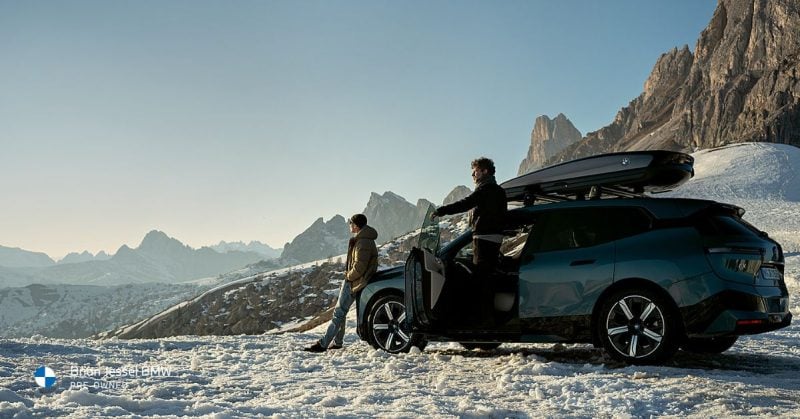
Other Essential Accessories: Don’t forget about other winter necessities such as roof boxes for additional storage, snow chains for enhanced traction, and floor mats to protect your vehicle’s interior from snow and slush.
Choosing the right winter tires and accessories helps your BMW SUV perform more safely and efficiently during colder months, keeping you in control no matter the weather.
BMW vs Other Luxury SUVs in Winter Driving
While many luxury SUVs offer all-wheel-drive systems, BMW emphasizes a balance of sportiness and winter handling that many drivers appreciate. BMW’s xDrive system is engineered to respond quickly to changing traction conditions, which many drivers find confidence-boosting in winter weather. Different luxury SUVs use different AWD approaches, and the experience can vary based on tuning, road conditions, and tires.
Additionally, BMW’s focus on balanced driving feel helps many models retain their characteristic handling even in challenging conditions. Other luxury SUVs may prioritize different traits depending on brand philosophy and tuning.
In comparison, other luxury SUVs may offer similar features, though the driving feel varies by brand and model.
Real-World Use: What kinds of drivers choose BMW SUVs for winter?
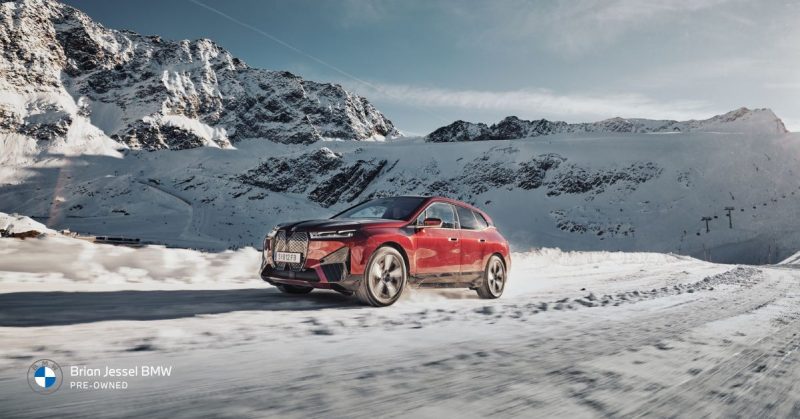
BMW SUVs can perform confidently across many typical winter driving scenarios when properly equipped. Ski enthusiasts value the xDrive system for handling snowy mountain roads with ease. Families depend on the space and comfort of the X5 and X7 for winter getaways.
Commuters in snowy regions choose the X3 for its balance of performance and practicality, ensuring safe and reliable daily driving even in harsh conditions.
Urban drivers benefit from the X1’s compact size and agility, while adventurers look to the X5 and X7 for their off-road capabilities and larger cargo space. No matter the use case, BMW SUVs provide the necessary features and performance for any winter need.
Tips for Getting the Most from Your BMW in Snow
To get the best performance from your BMW SUV in winter, it’s important to follow a few key maintenance tips. Regular tire pressure checks maintain optimal traction, and seasonal inspections help prepare your vehicle for the cold.
Be sure to keep your tires in top condition, especially if you live in areas with heavy snow or ice. BMW’s service centers are equipped to handle cold-weather readiness, providing everything from tire changes to advanced diagnostics for your vehicle’s winter systems.
Additionally, when driving in snow, it’s important to understand how to use the xDrive system effectively. Take turns slowly, avoid sudden acceleration, and always drive with caution, especially on icy surfaces.
Why BMW SUVs Are a Strong Choice for Canadian Winters
BMW SUVs are a strong option for many Canadian winter situations, offering a blend of performance, available safety features, and comfort that can support confident driving when conditions become challenging.
Whether you’re commuting in the city, heading out on family trips, or enjoying winter sports, many drivers find that BMW SUVs equipped with xDrive offer composed traction responses and supportive handling characteristics that can help in snowy or icy conditions.
BMW SUVs combine intelligent technology, premium materials, and driving pleasure, offering the perfect balance of performance and luxury in any weather.
For Canada’s winter conditions, BMW dealerships are trusted partners, helping you select the right vehicle, tires, and accessories to optimize winter driving and make sure your SUV is fully ready for the season.
Where to Explore BMW Winter-Capable SUVs Near You
If you’re ready to experience how BMW SUVs perform in snowy conditions, visit Brian Jessel BMW Pre-Owned inventory in Vancouver. Our team offers expert guidance on winter driving needs, from selecting the right tires to getting your vehicle fully prepared for the winter season. With the right setup, your BMW can be prepared to handle snowy roads more confidently when equipped and driven appropriately for winter conditions.
Final Thoughts: Are BMW SUVs Worth It for Winter?
BMW SUVs are a strong choice for drivers who want a blend of luxury, performance, and winter-friendly engineering. With advanced all-wheel-drive systems, capable engines, and features designed to support traction and stability, BMW models can handle snowy and icy conditions with confidence when properly equipped.
Whether you're navigating slippery city streets, winding mountain roads, or tackling rugged terrain, BMW SUVs are designed to support stable, confident driving in many winter conditions when properly equipped with winter tires and driven according to the environment. Many drivers report feeling more confident in winter when using the features built into BMW SUVs.
FAQs
Is BMW xDrive good for snow?
Yes, BMW’s xDrive system dynamically distributes power to help manage traction in snowy and icy conditions, which many drivers find stabilizing. Actual grip always depends on tires, speed, and road conditions.
Which BMW SUV is best for snow?
The BMW X5 and X7, thanks to their higher ground clearance and available xDrive, are often preferred by drivers who want added stability and capability in snowy conditions.
Do I need winter tires for a BMW?
Yes, winter tires are crucial for optimal traction and stability on snow and ice, as they outperform all-season tires in cold conditions.
Can electric BMWs handle winter driving?
Yes, electric BMWs like the iX are equipped with xDrive and an advanced battery management system, ensuring reliable performance in snowy conditions.
How do BMW SUVs compare to other AWD vehicles in bad weather?
BMW’s xDrive system is designed to adjust power between the wheels to help manage traction in low-grip conditions. Many drivers describe the system as feeling responsive and confidence-supporting in snow, but its performance can vary depending on tires, road conditions, and driving style.